
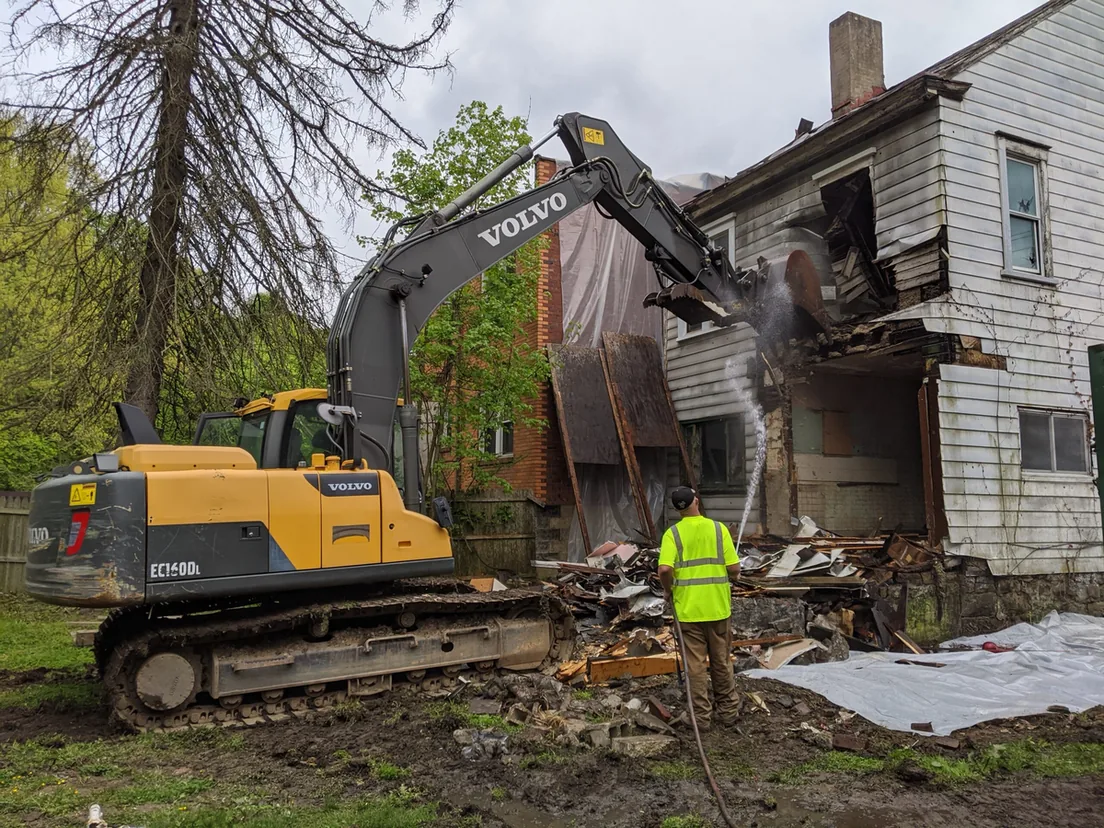
House Demolition
We take whole houses down to the ground across Weymouth and the South Shore. Garages and barns come down too, and we clear the debris off the site.
Learn More
Quincy is an old coastal city, and much of its housing shows its age. Census estimates date 37 percent of its homes to 1939 or earlier, and about half to before 1960. When an old house or commercial building has to come down, the city's demolition checklist spells out what comes first. A demolition contractor in Quincy plans the job around that list.
MJ Masonry is a demolition and masonry contractor, and Quincy is part of our service area. The city borders Weymouth, the center of that area, and Route 3A crosses the Fore River between them. Here we take on house demolition and building demolition, and we build in brick and concrete block (CMU). Call or text (617) 838-0280, and we will look at the job and put the quote in writing.
Tell us about the demolition or masonry work and where it is. We look at the job and put the quote in writing.
Quincy's demolition checklist goes in with the demolition permit application, which is filed online. Each department on the checklist reviews the file, and the permit waits for every approval. Most of the list deals with the utilities and the site.
The gas and electric utilities each send a letter saying when service was cut at the street. City staff remove the water meter, and the sewer and drain department confirms the sewer is cut at the street. Street work needs a street opening permit from the Engineering Department, and only contractors the city approves may do it.
The Fire and Police Departments review the application too. A Dig Safe letter or ticket number goes in the file. State law counts demolition as excavation. Dig Safe gets notice at least 72 hours ahead, not counting weekends and legal holidays.
Quincy's Compliance Officer looks for rodent control, stormwater controls, screened fencing and a place to wash truck tires. Water for dust control comes from a city hydrant meter or a water truck. Without a new building permit ready, the lot gets a permanent gated fence and is graded level. Site rules can change, so the Building Department has the current list.
Every demolition in Quincy gets at least one walk-through by a Health Department inspector. The owner, or someone the owner authorizes, has to be there. The building must be clear of asbestos, with paperwork to show it. When asbestos turns up, an asbestos abatement contractor removes it before demolition starts.
The inspector also checks that hazardous items are gone. That means PCB light ballasts, mercury thermostats, household chemicals and anything still holding Freon. A fuel oil tank needs a Fire Prevention sign-off that it is empty. Items that disposal sites ban, such as whole tires and appliances, come out first too.
Quincy also requires pest control before a teardown. The city wants a written plan from a pest control company and bait boxes every 40 feet around the site. For commercial buildings and apartment buildings over 20 units, it also wants a copy of the MassDEP notice.
In homes built before 1978, the Health Department presumes painted surfaces contain lead unless tests show otherwise. Its sign-off then comes on the condition that the teardown follows the state's lead-safe rules. Dust and noise count too, so water or a misting agent should be on site. Our machine teardown starts after those sign-offs and the permit.
Quincy's housing mixes single-family homes with large apartment buildings. Census estimates put about a third of homes in detached single-family houses. Almost a third sit in buildings of 20 or more units, and two- to four-unit buildings hold about a fifth.
Wollaston Center is one example of the older stock. The city's revitalization plan there counts about 106 structures, and about 66 percent predate 1940. When an owner keeps an old building, the remodel often starts by stripping the inside.
Our interior demolition guts rooms ahead of a renovation. We take out non-structural walls, ceilings, finishes and fixtures, and we carry the debris out as we go. The structure stays in place for the trades that follow.
Quincy has two local historic districts, the Quincy Center Historic District and the Adams Birthplace Historic District. Both sit in Quincy Center. Inside them, tearing down a building on the city's List A takes a certificate from the Historical Commission. The city code holds the demolition permit until the commission issues it.
Federal soil maps show two very different kinds of ground in Quincy. On parts of the hills, rock outcrops break the surface and bedrock can sit 10 to 20 inches down. Along parts of the shore, the maps show tidal marsh peat that floods often. About a third of the city is mapped as urban land or fill.
Both kinds of ground shape the work below grade. Ledge can slow the removal of an old foundation. Wet ground changes how footings and block foundation walls go in. We look at the lot before we write the quote.
The shore brings its own review. The city's hazard plan says Quincy, like other coastal Massachusetts communities, plans most for flooding. Its neighborhood summaries cover areas such as Houghs Neck and Germantown, and Squantum Point and Marina Bay. Work in a flood plain area goes before the Conservation Commission.
Large-scale, mixed-use building continues to reshape Quincy Center, and the city has turned its revitalization focus to Wollaston Center. Census permit data for 2024 counts 288 of Quincy's 311 permitted housing units in buildings of five or more units. On a built-up lot, the old building comes down first, and our building demolition covers that knockdown. When the plans call for block elevator and stair shafts, our commercial masonry covers that work for general contractors.
Communities and areas we serve around Quincy: Quincy Center, Wollaston, North Quincy, Squantum, Marina Bay, Houghs Neck, Germantown, Merrymount, Adams Shore, Quincy Point, South Quincy, West Quincy.
Quincy ZIP codes served: 02169, 02170, 02171.
Quincy is part of our service area. We look at the job first, then put the quote in writing.
(617) 838-0280 We take whole houses down to the ground across Weymouth and the South Shore. Garages and barns come down too, and we clear the debris off the site.
Learn More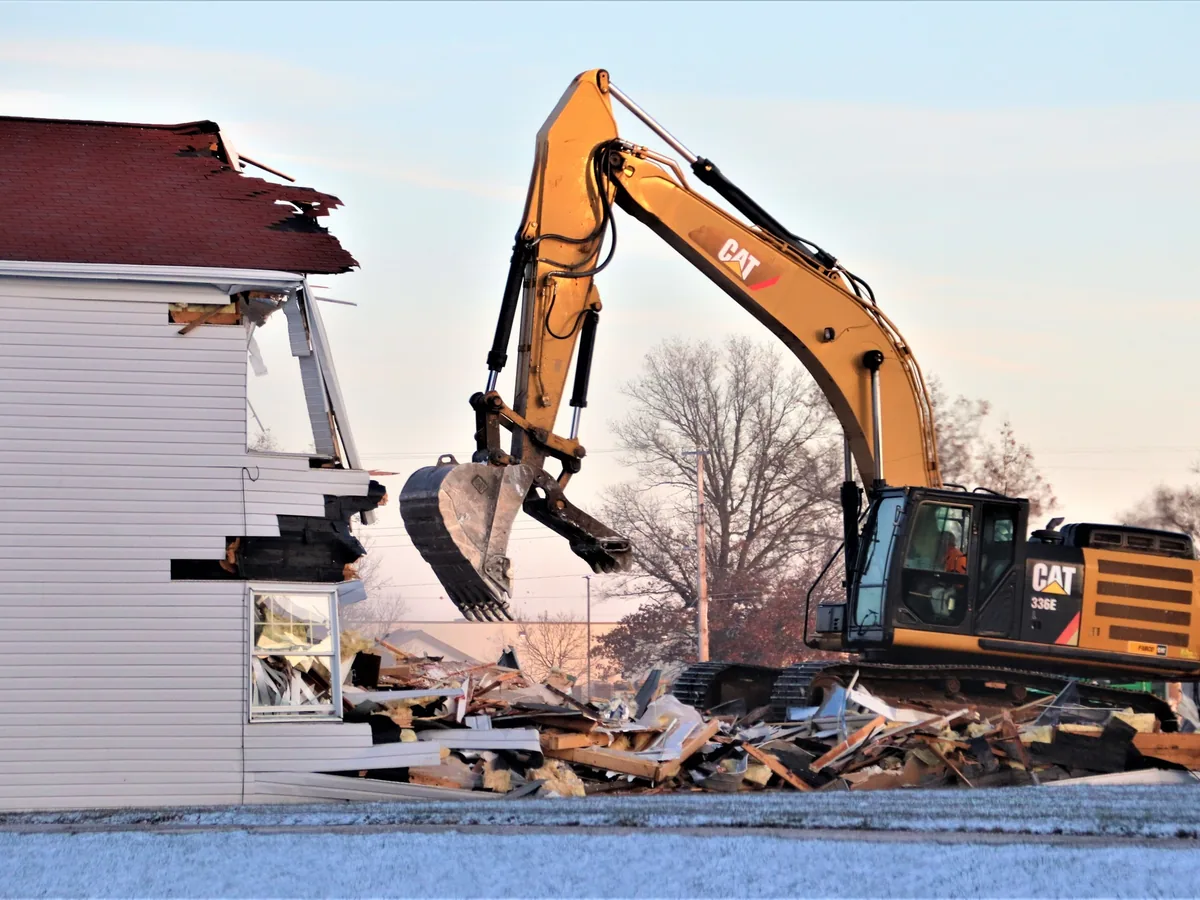
We knock down commercial and industrial buildings, warehouses and apartment buildings around Weymouth and Greater Boston. The debris leaves the site as part of the job.
Learn More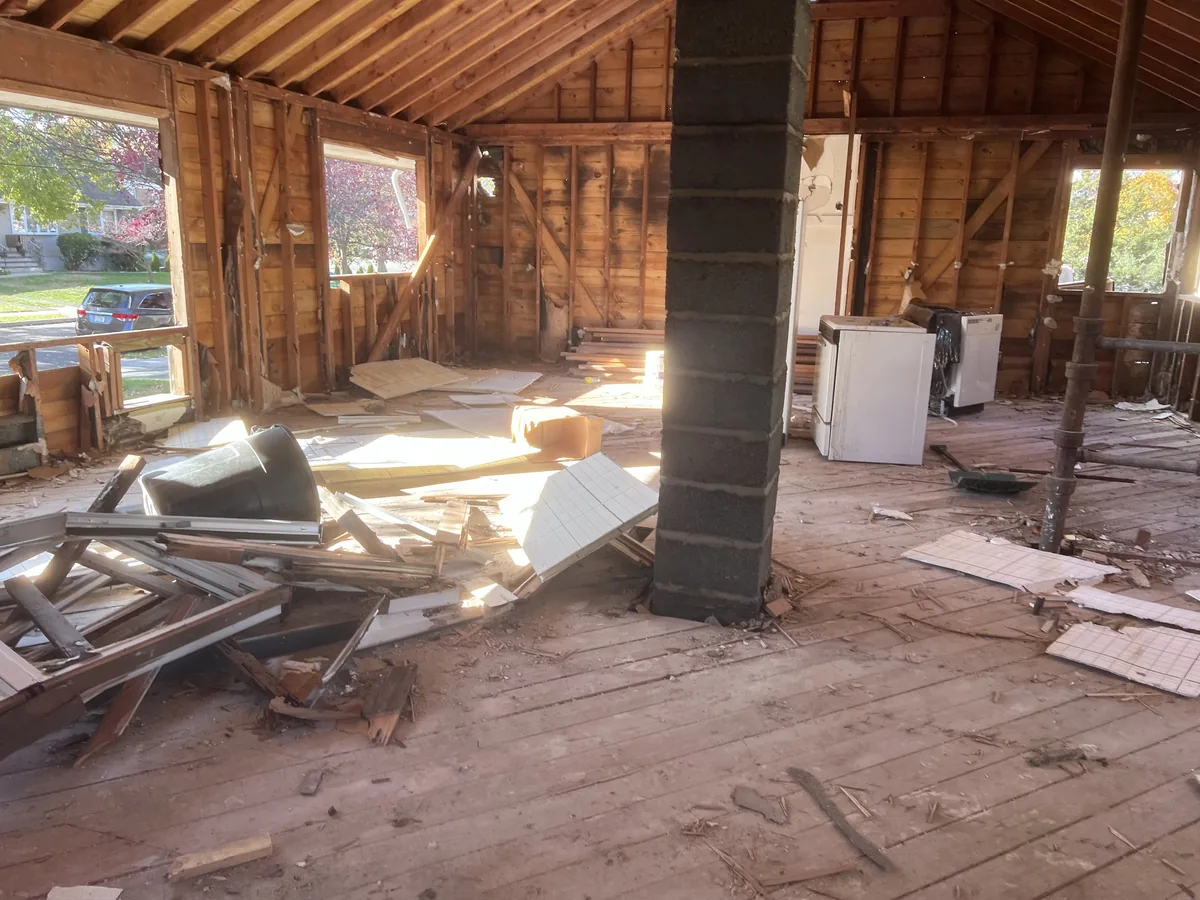
Interior demolition for houses and commercial spaces around Weymouth and Greater Boston. We handle gut-outs and selective demolition ahead of a renovation and carry the debris out.
Learn More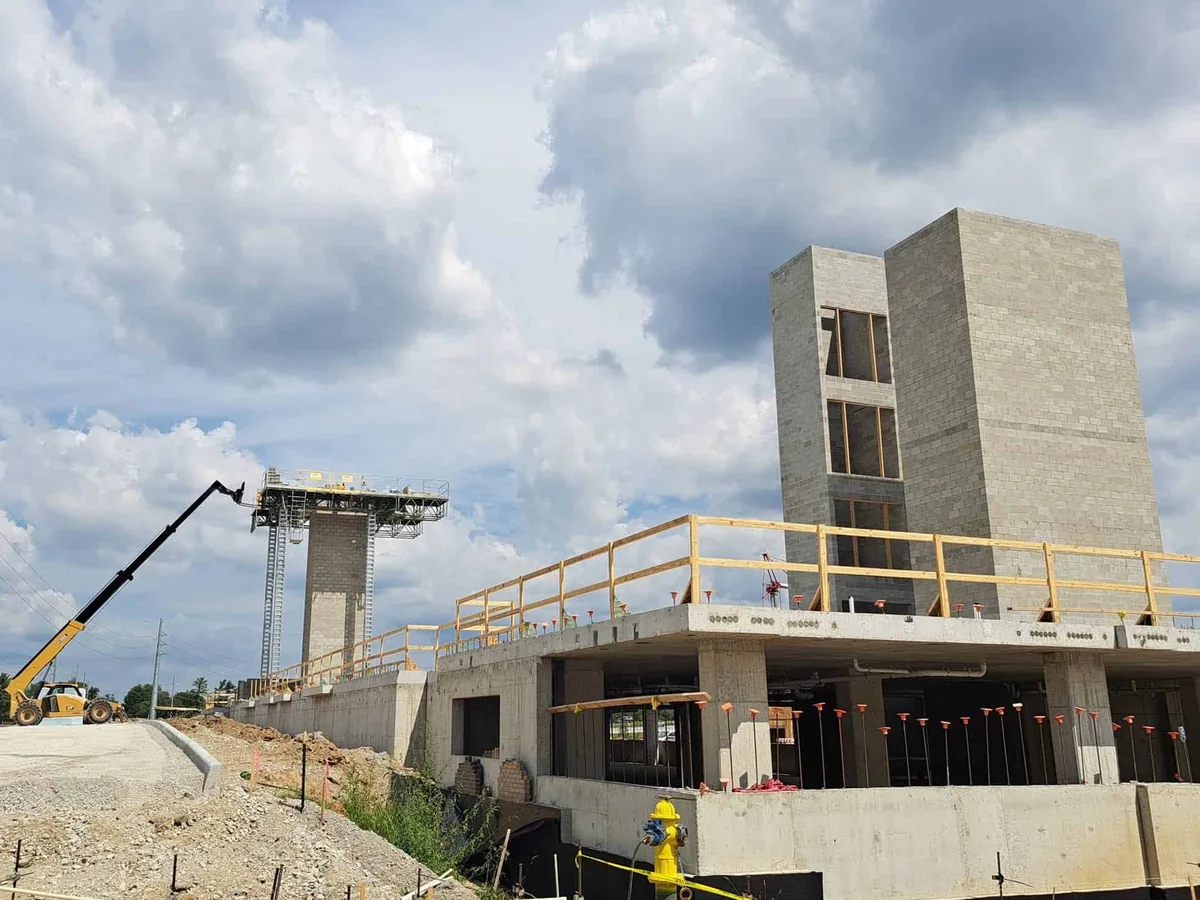
We lay concrete block (CMU) buildings and the elevator and stair shafts inside them. Brick and brick veneer go up on the same commercial jobs, priced in writing from the plans.
Learn More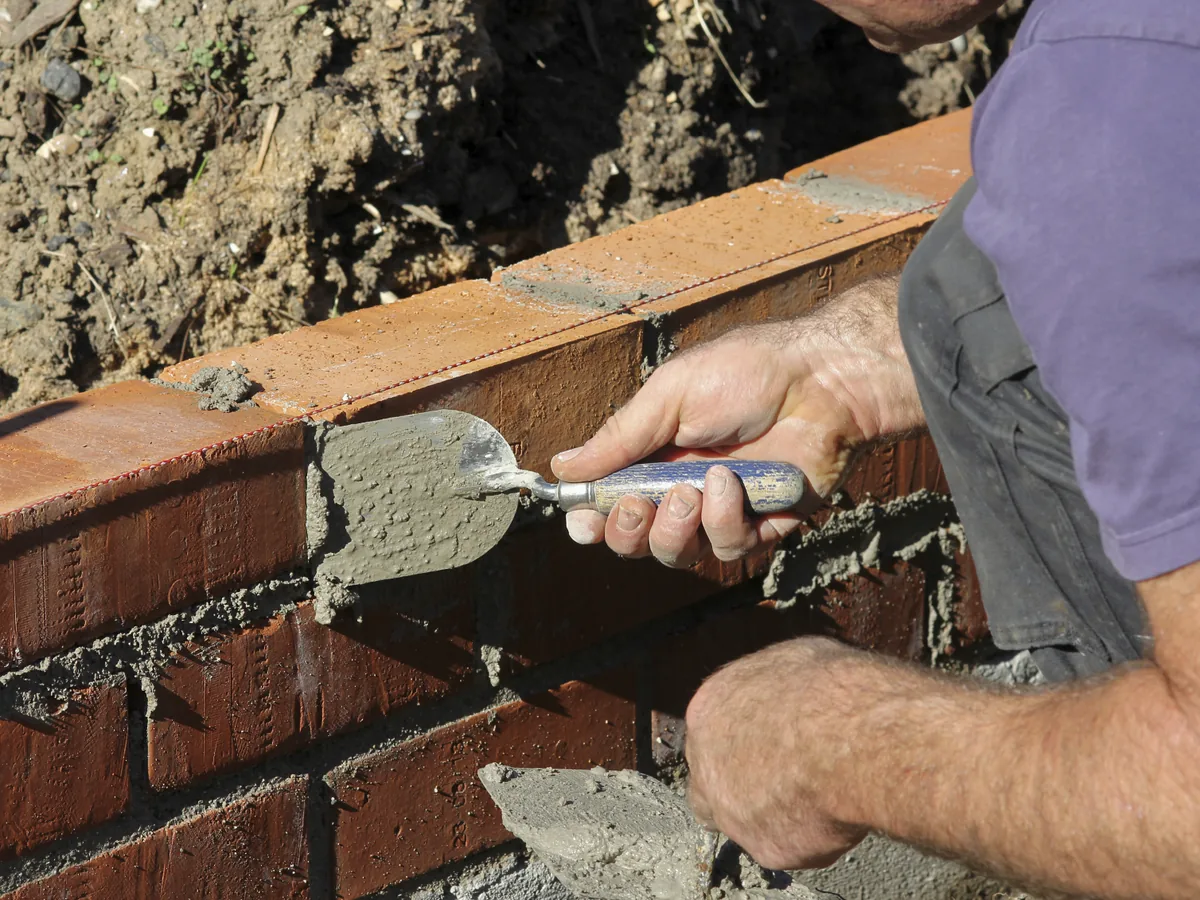
We lay new brick walls for homes and commercial buildings, both structural brick and brick on concrete block. Brick steps and landings come with the building work, and we put the quote in writing.
Learn More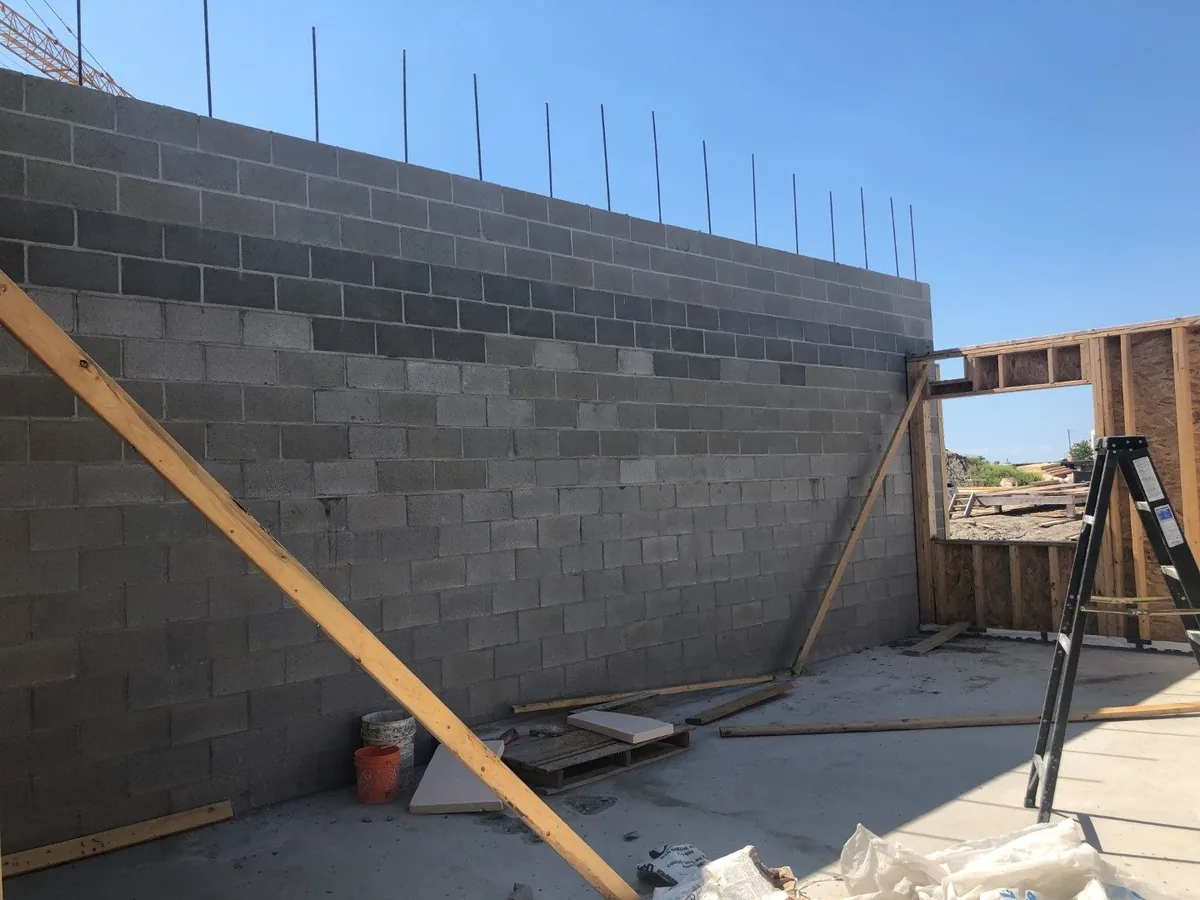
Concrete block (CMU) walls for commercial buildings and foundations, reinforced and grouted to the drawings. We pour the footings under the block walls we build, and we lay elevator and stair shafts in block.
Learn More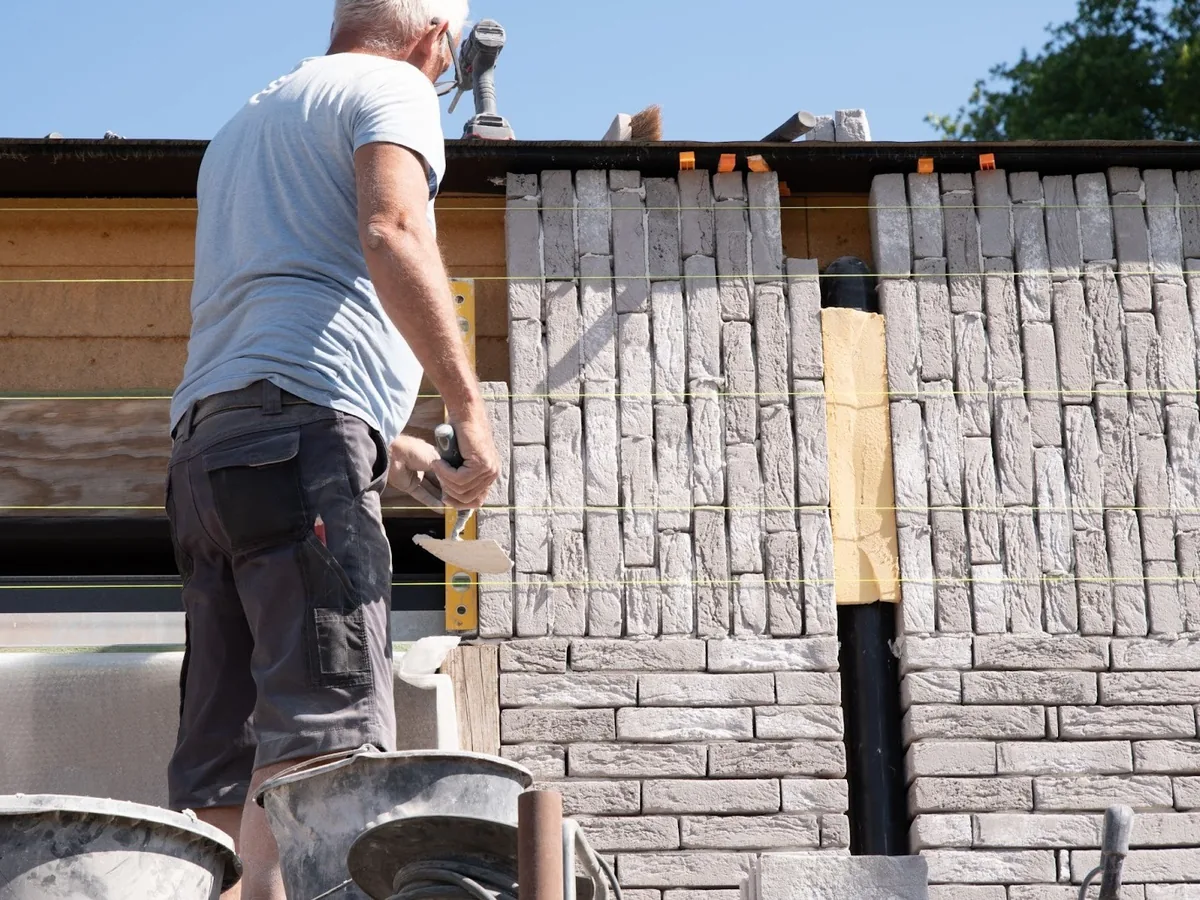
We lay brick veneer over wood-frame walls on homes and additions, and over concrete block (CMU) on commercial buildings. Metal ties hold it to the wall, and flashing and weep holes let water back out.
Learn More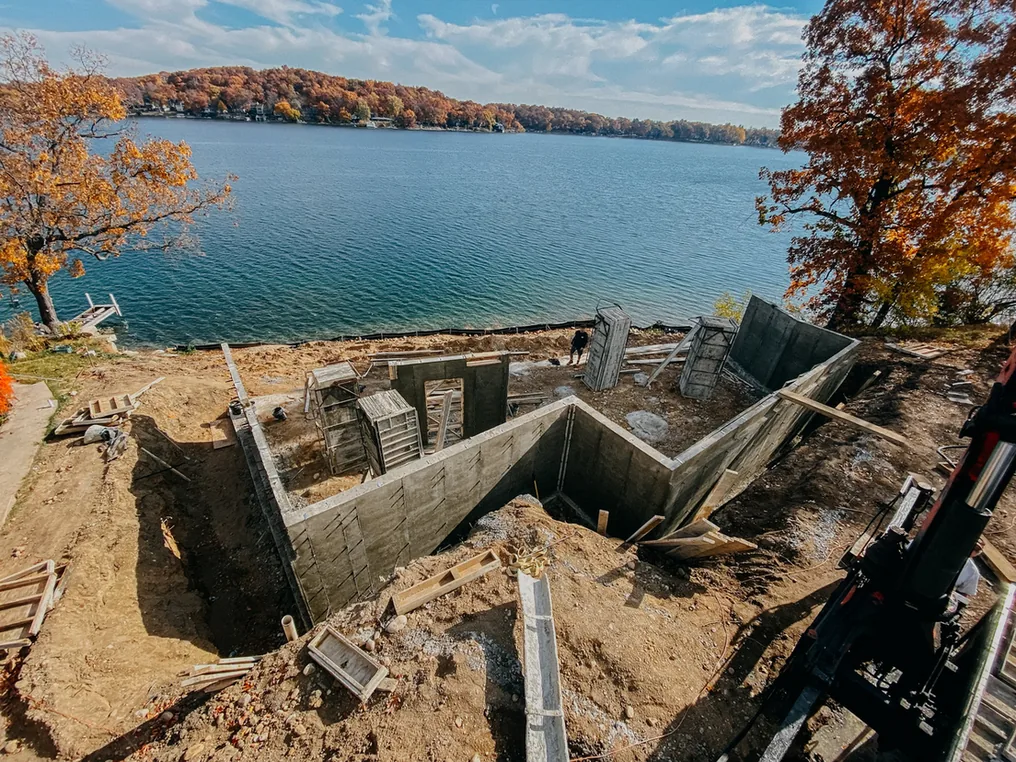
Footings, foundations, slabs, pads, steps and landings for homes and commercial buildings. We pour the concrete that goes with our masonry work.
Learn MoreA few of the questions we hear most around Quincy. If yours is not here, call or text and ask.
Use the form to tell us about the work and the town it is in. You can also call or text (617) 838-0280 and send photos or plans.
Tell us about the demolition or masonry work and where it is. We look at the job and put the quote in writing.