
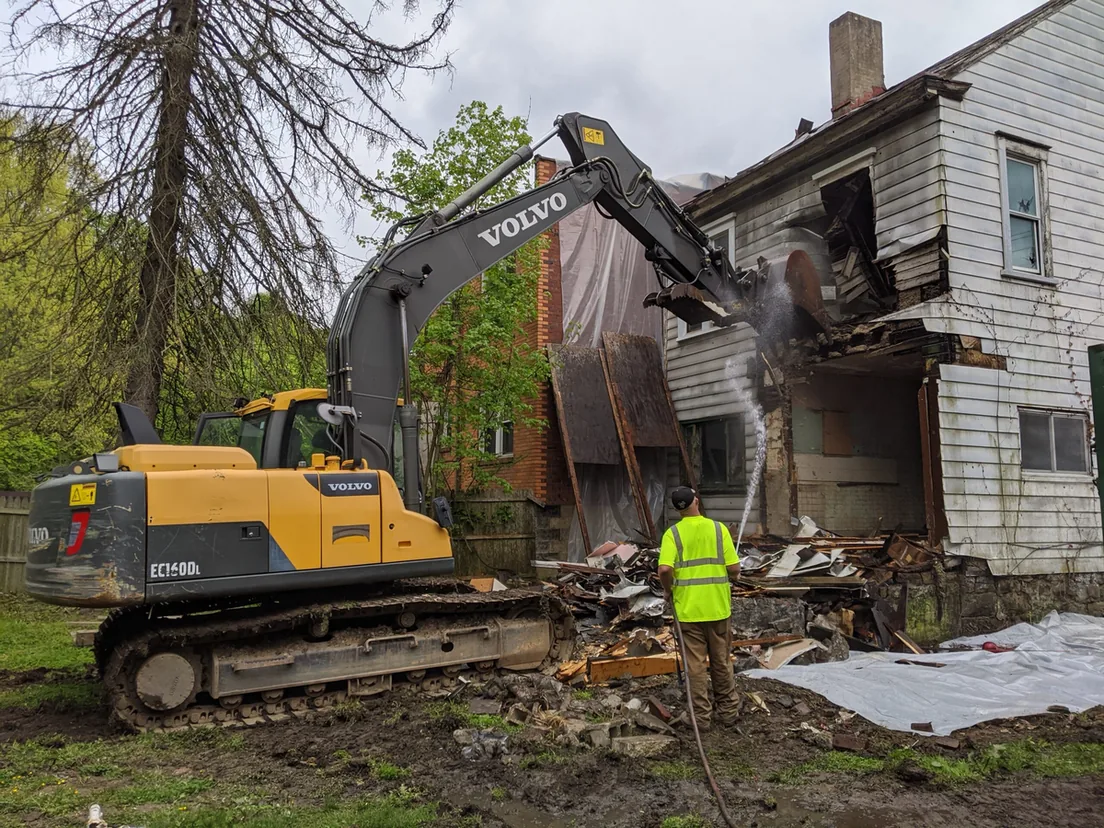
House Demolition
We take whole houses down to the ground across Weymouth and the South Shore. Garages and barns come down too, and we clear the debris off the site.
Learn More
In Cambridge, a teardown starts at the Historical Commission, well before any machine arrives. The city's demolition review covers every building over 50 years old, and most homes here fall under it. Census survey data puts 47 percent of Cambridge homes in buildings from 1939 or earlier. The city's demolition permit adds its own requirements, such as a site fence and rodent baiting.
Cambridge is part of the service area for MJ Masonry, a demolition and masonry contractor serving Weymouth and Greater Boston. Here we handle house demolition and whole-building knockdowns, and our masonry work covers brick and concrete block (CMU). We look at the job, then put the quote in writing. Call or text (617) 838-0280.
Tell us about the demolition or masonry work and where it is. We look at the job and put the quote in writing.
Cambridge adopted its Demolition Review Ordinance in 1979. It covers every building over 50 years old, anywhere in the city. The Inspectional Services Department (ISD) issues demolition permits. For those buildings, the Cambridge Historical Commission has to sign off first.
Commission staff review every demolition application, and the executive director makes the first call on significance. A significant building goes to a public hearing, and a notice board goes up on the property. Some garages and other utilitarian structures get a staff sign-off, usually without a hearing.
If the commission finds a building significant and preferably preserved, demolition waits up to twelve months from the hearing. The City Council raised that limit from six months in 2019. Once the conditions are met, the commission's approvals last six months, and we set the teardown date to fit.
ISD's online permit portal lists what a Cambridge demolition application needs. The list includes a site plan and a written plan for dust control. The site needs a construction fence at least 6 feet tall around the lot. The city also wants proof of rodent baiting from a pest control company, with updated reports during demolition.
Utility shut-off letters and a Dig Safe report go in the file too. Abutting owners get a mailed notice two weeks before demolition starts. ISD's building commissioner gets the same two-week notice, then a confirmation 48 hours ahead.
The application also asks for a hazardous material report. If asbestos turns up, MassDEP rules apply, and ISD issues its own asbestos permit before the demolition permit. An abatement contractor removes the asbestos before our teardown starts.
Cambridge became a city in 1846 by uniting three villages. One of them, East Cambridge, was the city's main industrial center until the 1880s, with glass and furniture factories. In Cambridgeport, homes spread out from Massachusetts Avenue, and Central Square became the city's downtown. North Cambridge had clay pits and brickyards, the Historical Commission's city history notes.
Housing here is dense and mixed. Only about one Cambridge home in ten is a detached single-family house. More than a third of homes sit in buildings of 20 units or more. Larger buildings often call for commercial masonry, such as block walls and elevator shafts.
Newer buildings stand beside the old ones. About one Cambridge home in eight dates from 2010 or later, by the same Census data. Heavy industry gave way to software and biotechnology research. When an older commercial or industrial building comes down for a new project, that is building demolition.
Cambridgeport runs south to the Charles River. The first Europeans here found salt marshes and tidal streams, the Historical Commission writes. The federal soil survey maps most of East Cambridge and Kendall Square as built-over ground on wet soil.
In Mid-Cambridge and Baldwin, the survey maps built-over sand and gravel instead. Parts of Neighborhood Nine are mapped as fill laid over refuse. Ground like that matters when a foundation comes out or a new slab goes in. We look at the site and the foundation before we price the teardown.
Lots are tight in a city of about 18,600 people per square mile. A building within 10 feet of a lot line or sidewalk needs an engineer's stamped shoring plan for the permit. Trucks parked on a city street for the work need a street occupancy permit. The city noise ordinance limits construction hours and does not permit Sunday work.
Communities and areas we serve around Cambridge: East Cambridge, Cambridgeport, Mid-Cambridge, North Cambridge, West Cambridge, The Port, Wellington-Harrington, Riverside, Kendall Square, Central Square, Harvard Square, Porter Square.
Cambridge ZIP codes served: 02138, 02139, 02140, 02141, 02142.
Cambridge is part of our service area. We look at the job first, then put the quote in writing.
(617) 838-0280 We take whole houses down to the ground across Weymouth and the South Shore. Garages and barns come down too, and we clear the debris off the site.
Learn More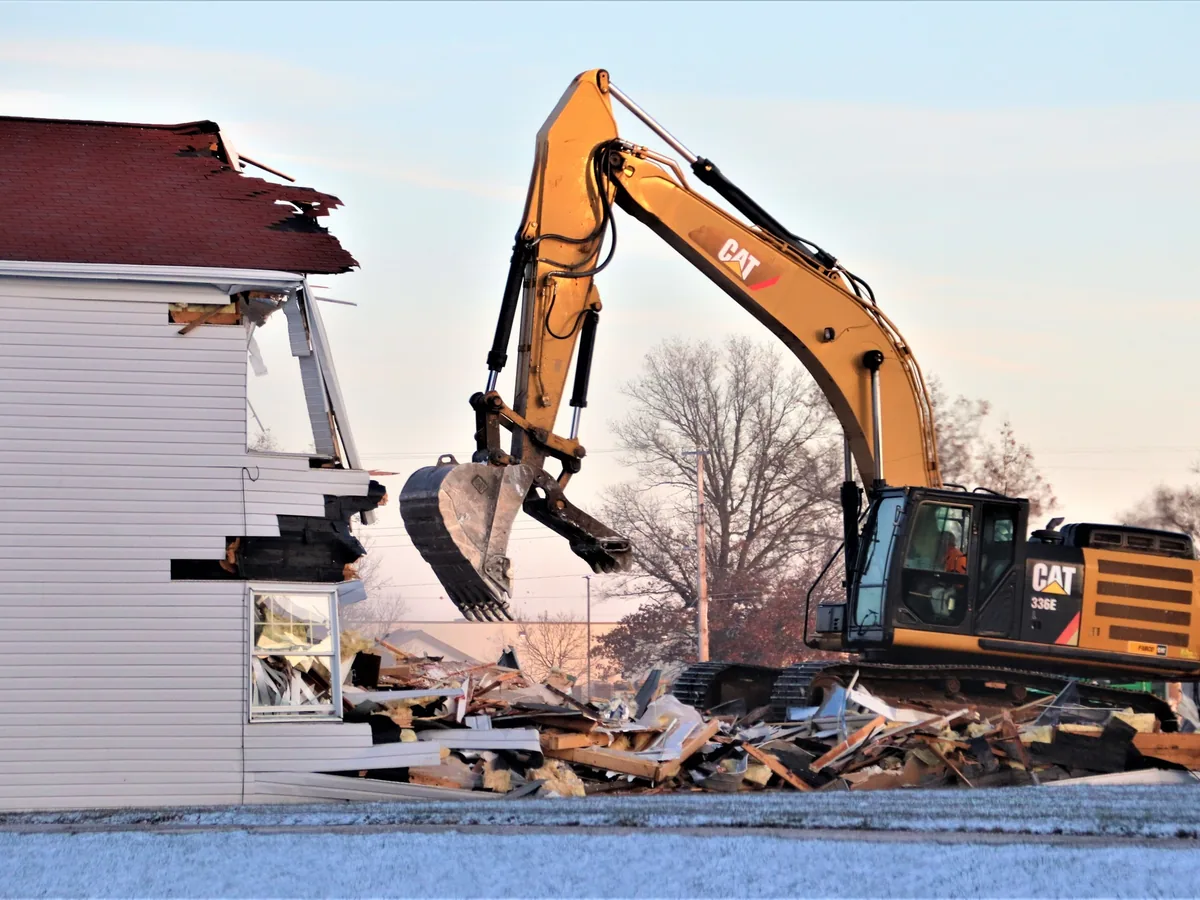
We knock down commercial and industrial buildings, warehouses and apartment buildings around Weymouth and Greater Boston. The debris leaves the site as part of the job.
Learn More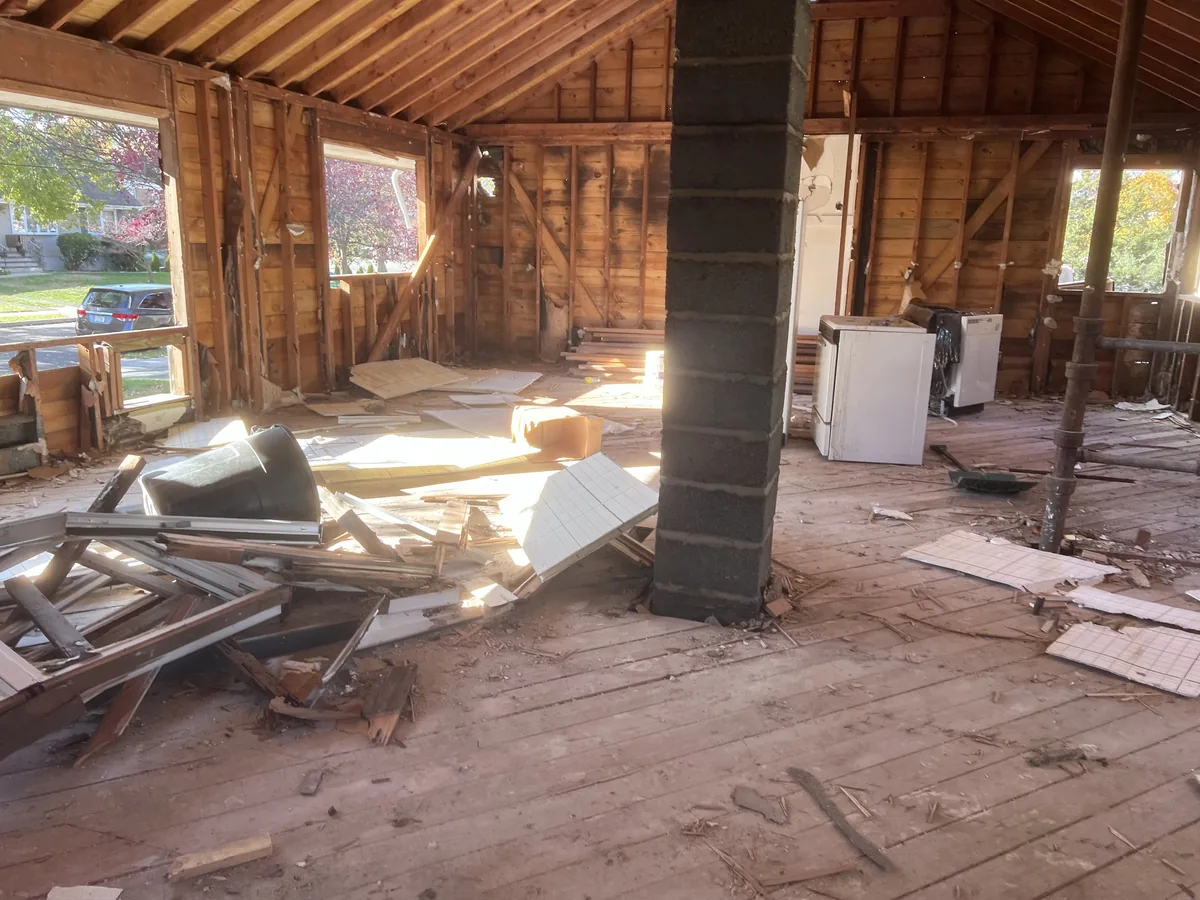
Interior demolition for houses and commercial spaces around Weymouth and Greater Boston. We handle gut-outs and selective demolition ahead of a renovation and carry the debris out.
Learn More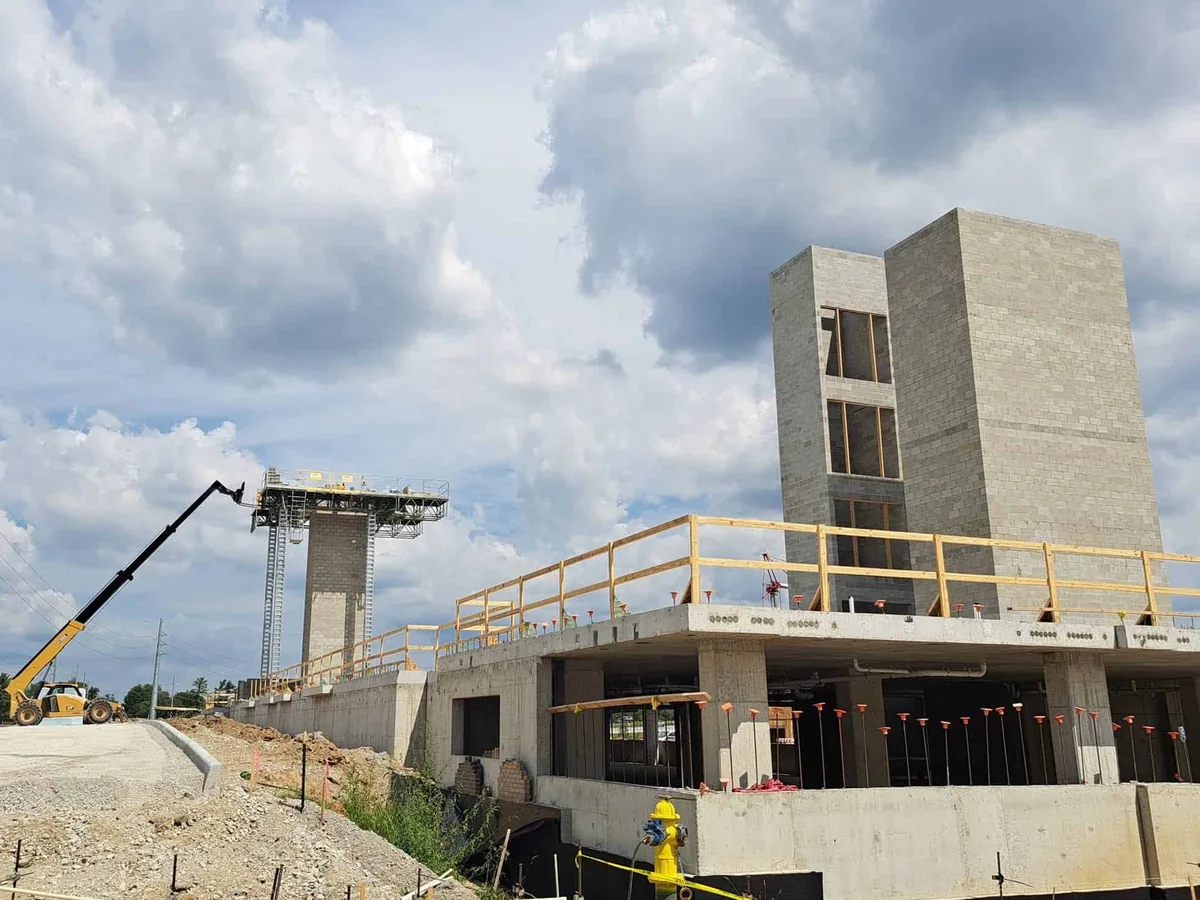
We lay concrete block (CMU) buildings and the elevator and stair shafts inside them. Brick and brick veneer go up on the same commercial jobs, priced in writing from the plans.
Learn More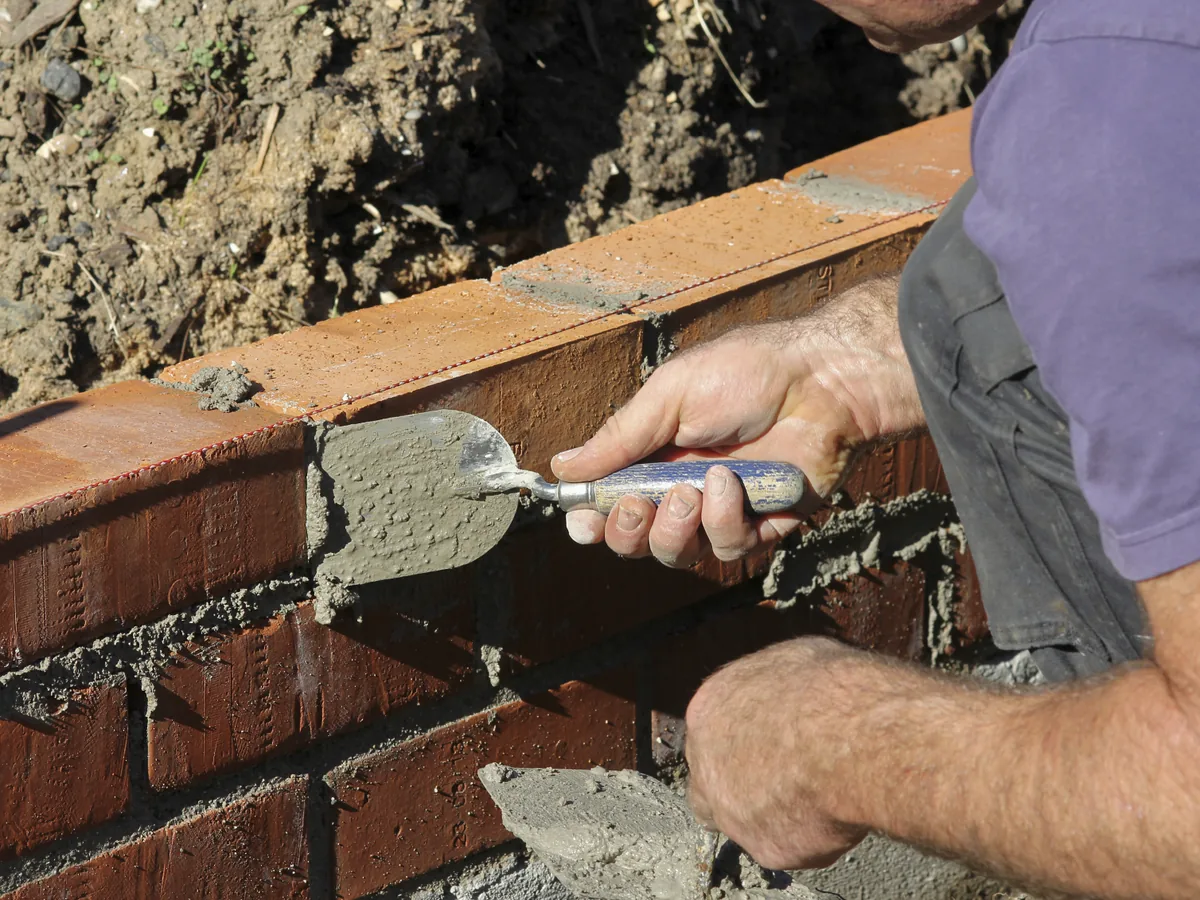
We lay new brick walls for homes and commercial buildings, both structural brick and brick on concrete block. Brick steps and landings come with the building work, and we put the quote in writing.
Learn More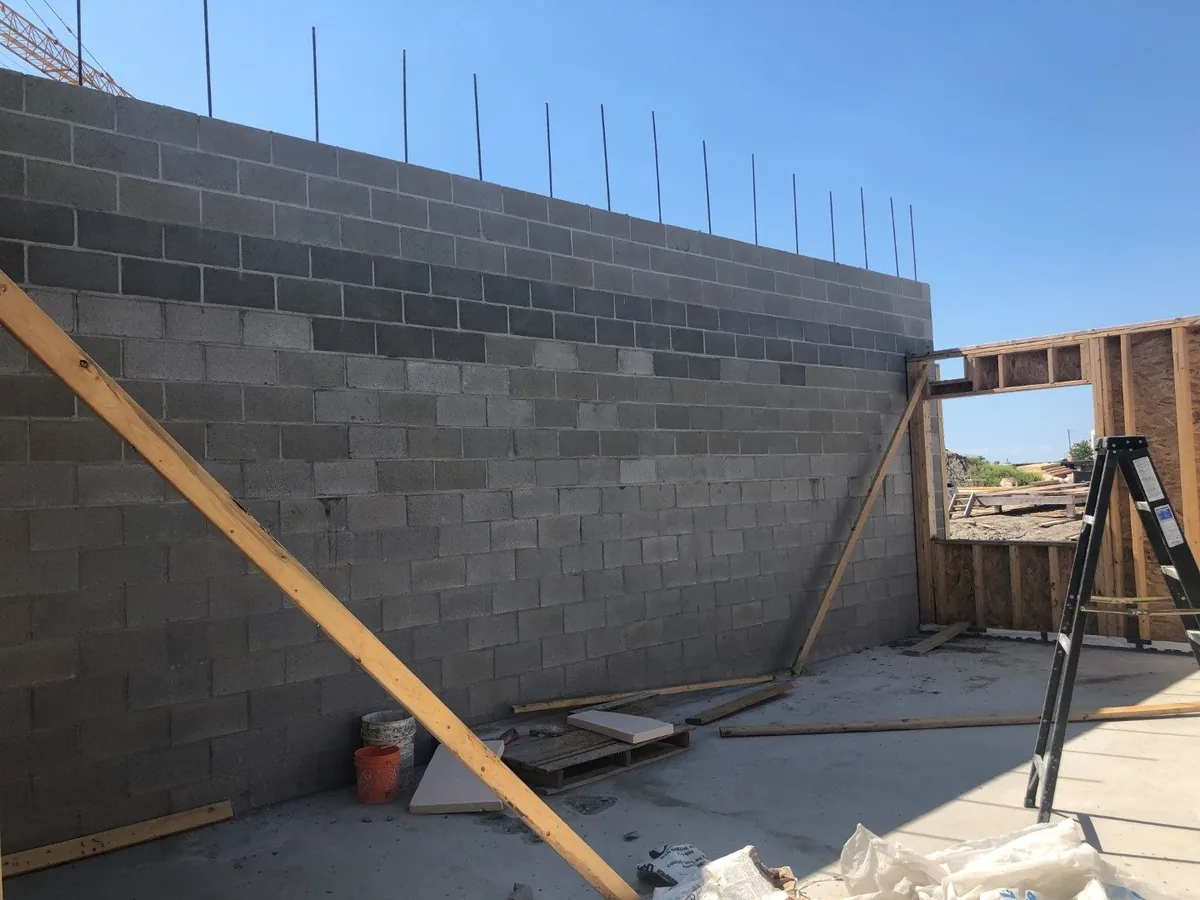
Concrete block (CMU) walls for commercial buildings and foundations, reinforced and grouted to the drawings. We pour the footings under the block walls we build, and we lay elevator and stair shafts in block.
Learn More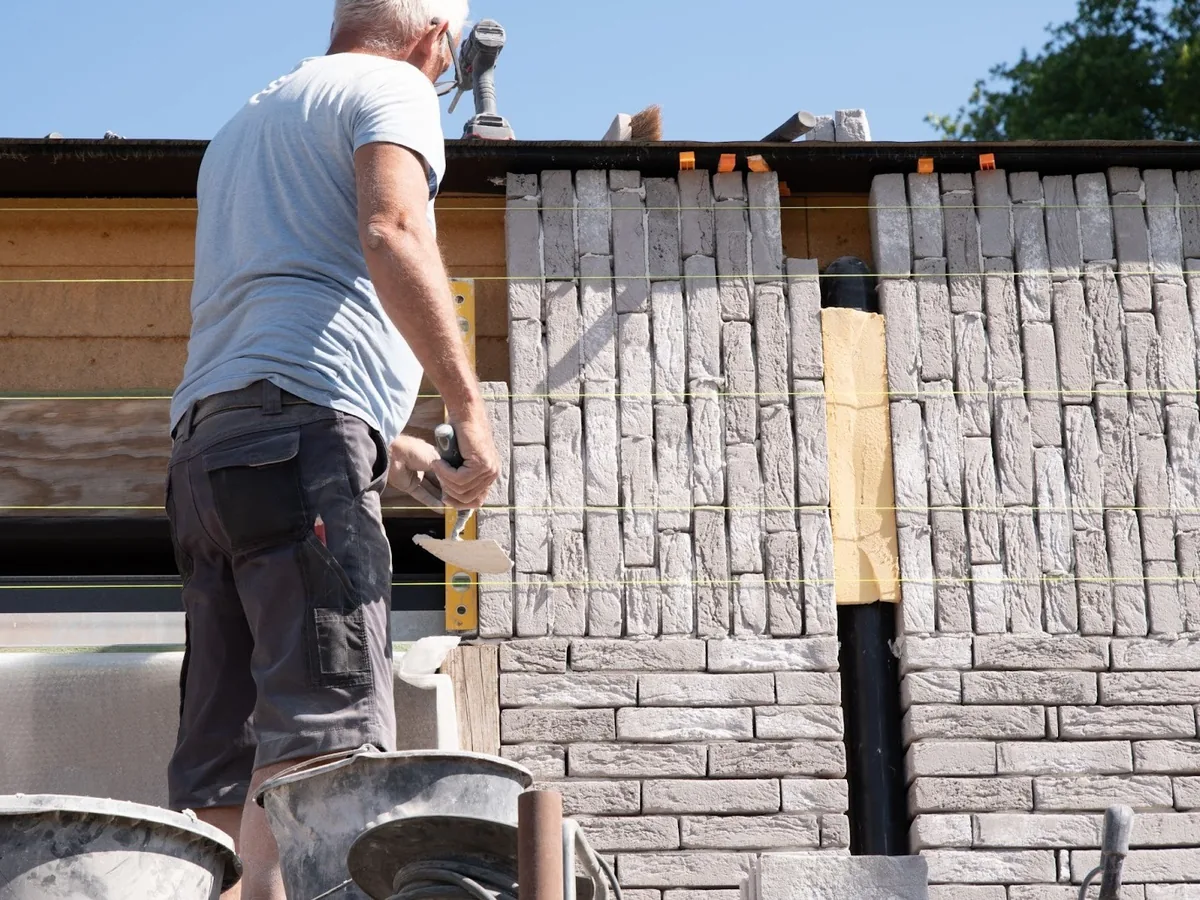
We lay brick veneer over wood-frame walls on homes and additions, and over concrete block (CMU) on commercial buildings. Metal ties hold it to the wall, and flashing and weep holes let water back out.
Learn More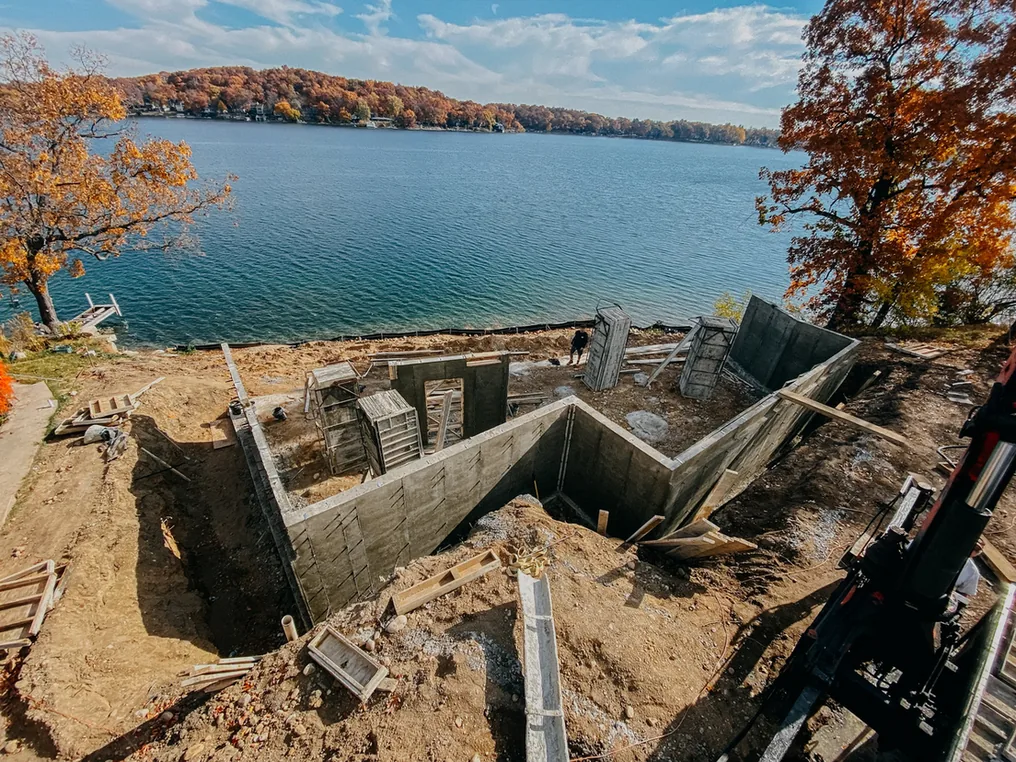
Footings, foundations, slabs, pads, steps and landings for homes and commercial buildings. We pour the concrete that goes with our masonry work.
Learn MoreA few of the questions we hear most around Cambridge. If yours is not here, call or text and ask.
Use the form to tell us about the work and the town it is in. You can also call or text (617) 838-0280 and send photos or plans.
Tell us about the demolition or masonry work and where it is. We look at the job and put the quote in writing.