Brick Veneer
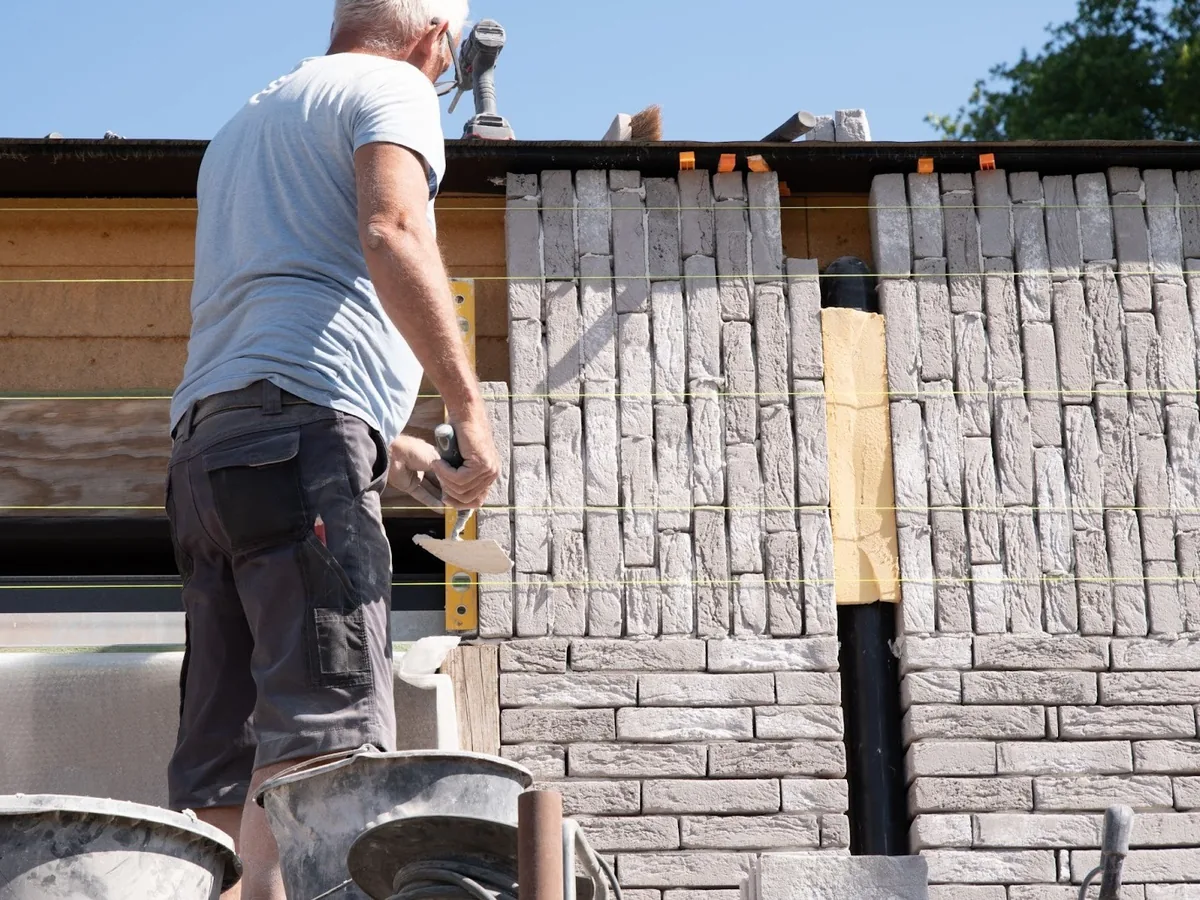
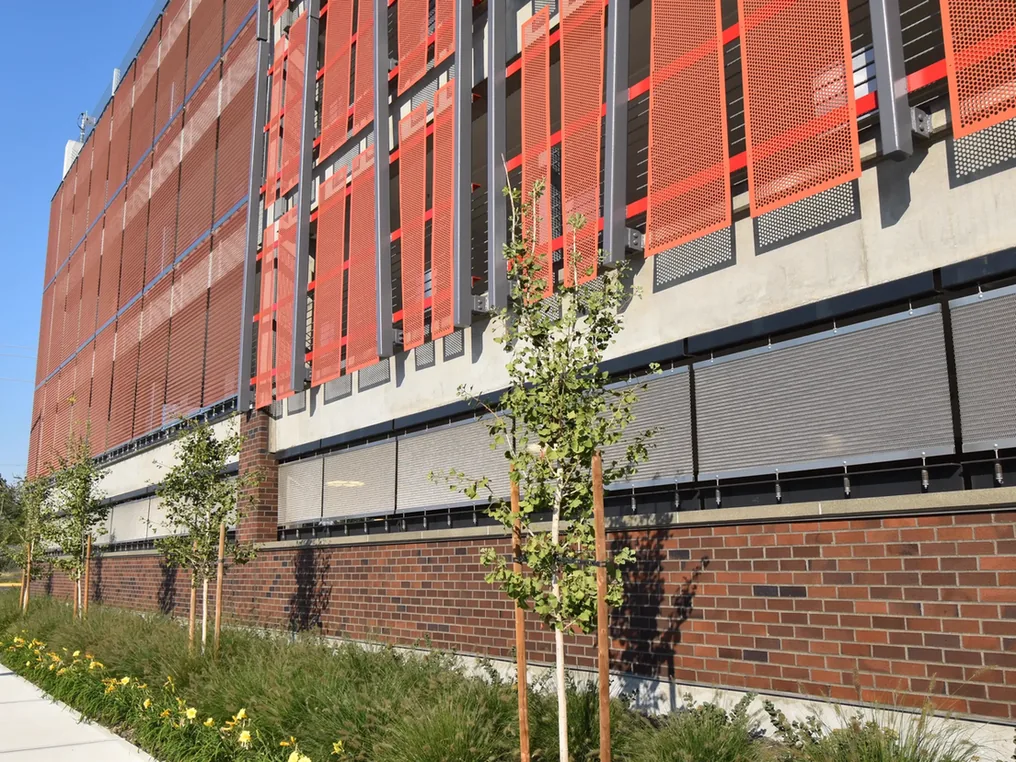
We lay brick veneer over wood-frame walls on homes and additions, and over concrete block (CMU) on commercial buildings. Metal ties hold it to the wall, and flashing and weep holes let water back out.
Learn More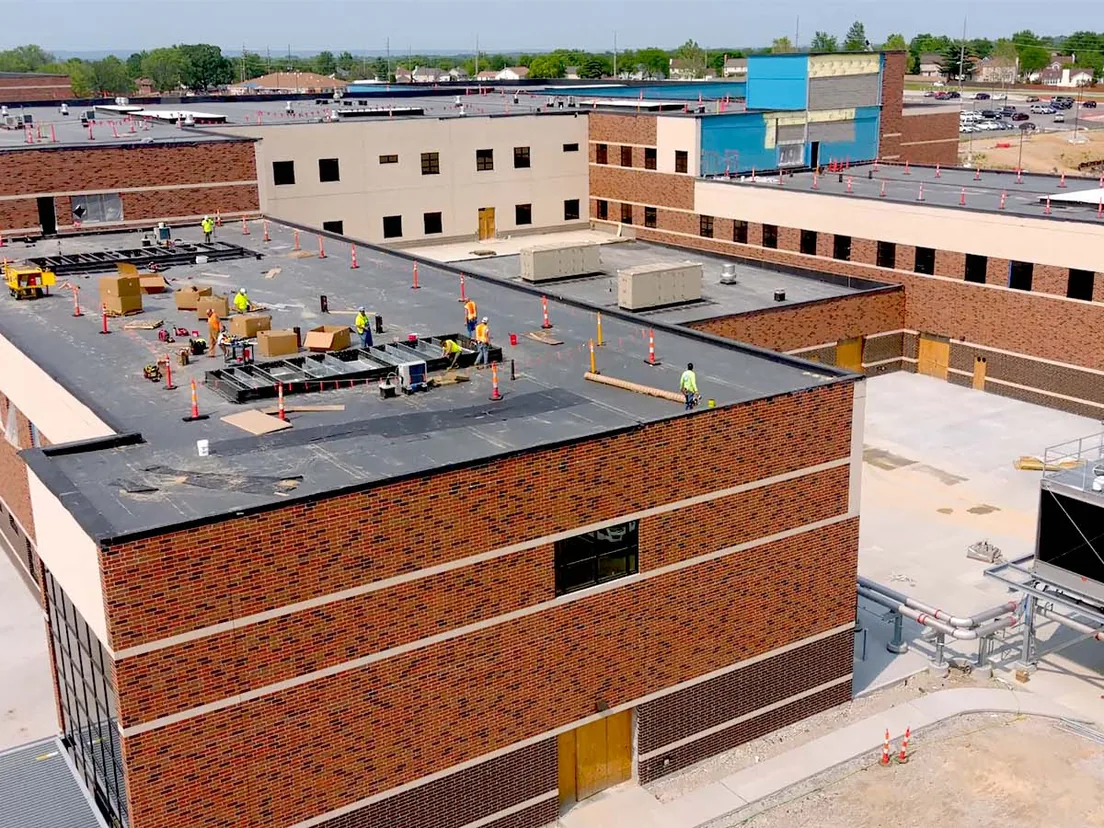
MJ Masonry builds new brick masonry for homes and commercial buildings around Weymouth and the South Shore. We lay structural brick walls that carry floor and roof loads. We also lay brick over concrete block (CMU). When the brick only faces a wood-frame wall, the job is brick veneer installation.
We provide masonry services around Weymouth and Greater Boston, and demolition is the other half of the company. General contractors hire us as the brick contractor on their jobs, and property owners and developers call us direct. Call or text (617) 838-0280. We look at the job or the drawings, then put the quote in writing.
Tell us about the demolition or masonry work and where it is. We look at the job and put the quote in writing.
A brick mason lays brick in mortar, one course at a time. A structural brick wall carries the weight of the floors and roof above it. Running bond, the simplest brick pattern, lays every brick lengthwise along the wall. Common bond adds a crosswise row, usually every fifth to seventh row, to tie a thicker wall together.
Brick on block puts brick in front of a block masonry backup wall. Metal ties, laid into the mortar joints of both walls, connect the two. We build brick on block for homes and for commercial and multi-unit buildings.
We build brick steps and landings when a building job calls for them. They usually sit on a concrete base, with a footing below the frost line. For houses, the Massachusetts State Building Code (780 CMR) puts that line at 48 inches. We can pour the concrete base and footing as part of the job.
Brick is graded by how well it stands up to freezing when wet. Grade SW means severe weathering, and Grade MW means moderate. For houses, the state code lists weathering here as severe. In a region like ours, the brick industry recommends Grade SW for every exposed face.
NOAA's 1991 to 2020 climate normals give Boston about 92 days a year with a low at or below freezing. Only about 23 of those days stay below freezing all day. On the rest, the temperature climbs back above 32 degrees.
Trade guidance calls for details that keep brick from sitting soaked in freezing weather. A sloped cap on top of a brick wall sheds water, with a drip under its outer edge. On brick steps, each tread should slope 1/8 to 1/4 inch per foot, so water runs off.
Brick is smallest the day it cools after leaving the kiln. From then on, it draws in moisture and grows a little. Most of that growth comes in the first few weeks, then it goes on slowly for several years. The brick industry calls this moisture expansion, and the growth is permanent.
Concrete block does the opposite and shrinks as it dries. In brick on block, flexible ties let the two walls move along their length and stay connected. Where brick sits on a concrete foundation, flashing or a bond break between them lets each one move.
Expansion joints give that growth a place to go. Each one is an open joint through the brick that closes a little as the wall grows. Mortar stays out of it, so the brick on each side can move. Industry guidance places them near corners and at changes in wall height, among other spots.
Call or text for a written quote. We work about 90 miles around Weymouth across Massachusetts.
(617) 838-0280From the first call or text to the finished work, here is how it goes.
Call or text (617) 838-0280 and tell us what the job is and where. Photos help, and so do plans on commercial work.
We come out and look at the job. On bid work, we go through the plans and specs instead.
The price comes in writing, with the scope spelled out. Once you say yes, we set a start date with you.
A teardown waits on the permit and any asbestos removal. The utilities shut off their service before our machines arrive. On a commercial job, we work to the general contractor's schedule.
Our machines take the building down, and we load out the debris as we go. On masonry jobs, the walls go up to the plans, and we go over the finished work with you.
Common questions about brick masonry around Weymouth and the towns of the South Shore and Greater Boston. If yours is not here, call or text and ask.
We lay brick veneer over wood-frame walls on homes and additions, and over concrete block (CMU) on commercial buildings. Metal ties hold it to the wall, and flashing and weep holes let water back out.
Learn More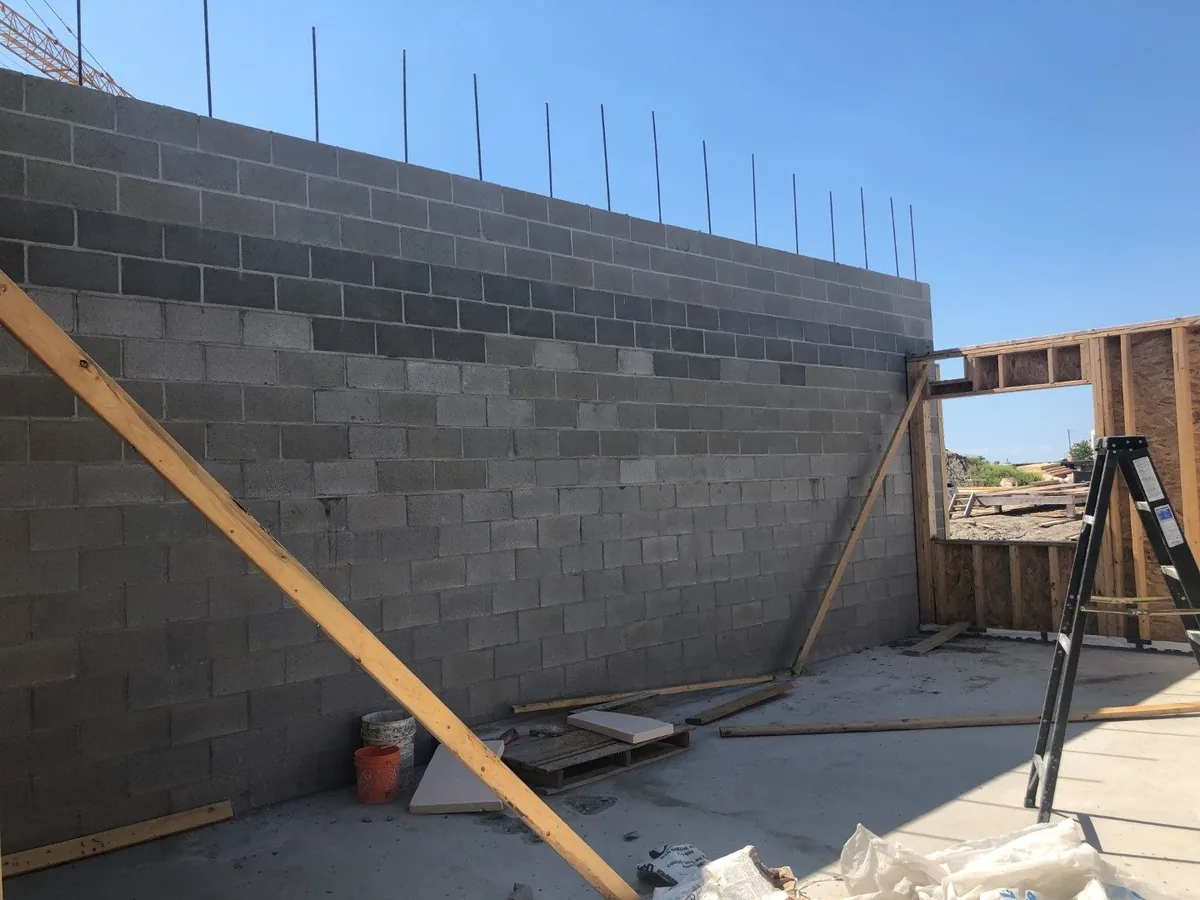
Concrete block (CMU) walls for commercial buildings and foundations, reinforced and grouted to the drawings. We pour the footings under the block walls we build, and we lay elevator and stair shafts in block.
Learn More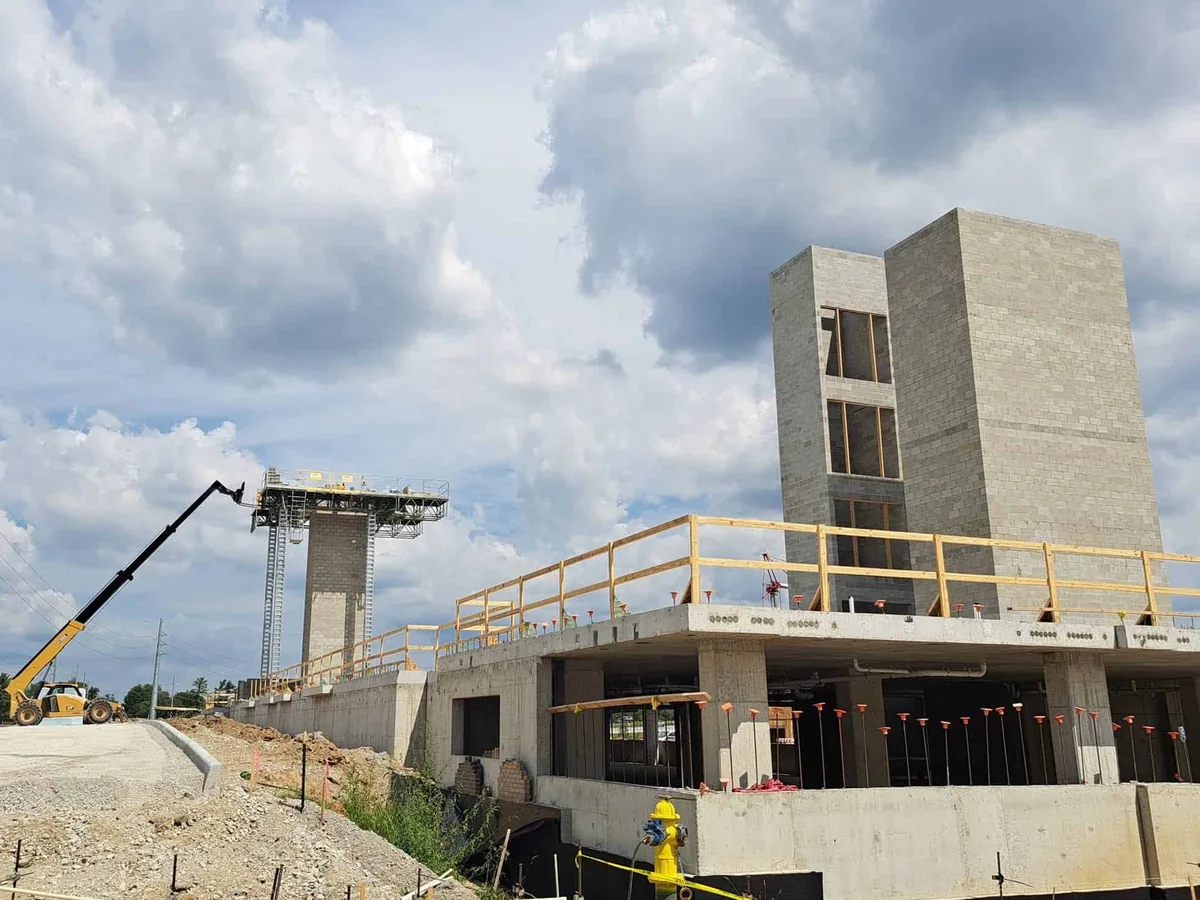
We lay concrete block (CMU) buildings and the elevator and stair shafts inside them. Brick and brick veneer go up on the same commercial jobs, priced in writing from the plans.
Learn MoreOne company can handle the teardown and the masonry that follows. We can clear an old building off a lot, then lay the block and brick for the new one.
Our own machines do the knockdowns, on a detached garage or a full commercial building. Clearing the site afterward is part of the same job.
On a teardown, you decide what happens to the foundation. When it comes out, we break it up and fill the hole.
We look at the site, or the plans on bid work, before we price anything. Then the quote comes to you in writing.
Use the form to tell us about the work and the town it is in. You can also call or text (617) 838-0280 and send photos or plans.
Tell us about the demolition or masonry work and where it is. We look at the job and put the quote in writing.