
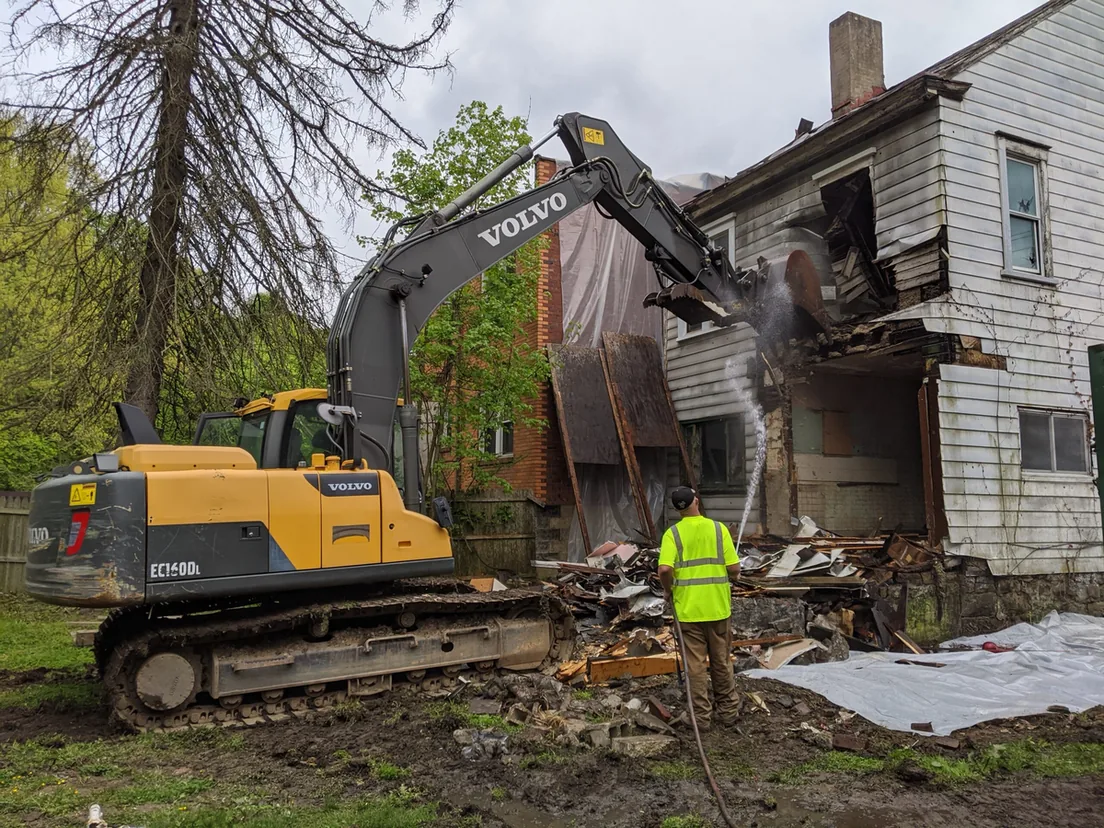
House Demolition
We take whole houses down to the ground across Weymouth and the South Shore. Garages and barns come down too, and we clear the debris off the site.
Learn More
Most homes in Boston are more than 50 years old. By Census estimates, 58 percent were built before 1960, and 47 percent before 1940. That age matters before a teardown. Under Article 85 of the Boston Zoning Code, the Boston Landmarks Commission reviews older buildings before they come down.
MJ Masonry works in Boston as a demolition and masonry contractor, and the city is part of our service area. We take on house demolition and building demolition here, and we lay brick and concrete block (CMU). We look at the job and put the quote in writing. Call or text (617) 838-0280.
Tell us about the demolition or masonry work and where it is. We look at the job and put the quote in writing.
In Boston, the Inspectional Services Department (ISD) issues demolition permits. The application is a short form filed online, and ISD's demolition page lists what goes with it. First on that list is Article 85 approval from the Boston Landmarks Commission.
For Article 85, Landmarks Commission staff decide within 10 calendar days of a complete application whether the building is significant. A significant building goes to a public hearing. If the commission invokes the delay, ISD cannot issue the demolition permit until 90 days after the hearing closes. We schedule the machine work once the permit is issued.
Each utility on the lot, such as gas, electric, telephone and cable, sends a shutoff notice. ISD also wants a closed general service agreement from the Boston Water and Sewer Commission and a Fire Department permit. State law treats demolition as excavation, so the file needs a Dig Safe reference number too. Boston also asks for a pest control contractor's letter or bill that covers pest management before and after the demolition.
More than four in five Boston homes sit in buildings with two or more units, by Census estimates. Close to a quarter are in buildings of three or four units, the size class of the three-decker. Detached single-family houses make up only about 12 percent. Row houses and other attached single-family homes add about 6 percent.
For a detached house or garage, our house demolition covers the full teardown and clears the debris from the site. In a row house or a three-decker, a renovation can start with a gut-out instead. Our interior demolition takes out non-structural walls, ceilings, finishes and fixtures, and we carry the debris out.
State asbestos rules apply to both kinds of job. Before demolition or renovation, an asbestos inspector surveys the building and writes a report. If asbestos turns up, an abatement contractor removes it before we start. Massachusetts waste bans also keep brick and concrete debris out of landfills.
Large parts of Boston are filled land, made by layering sand and gravel over old mud flats. The Boston Groundwater Trust's list of filled-land areas includes the Back Bay, the South End, the Fenway and Bay Village. Chinatown, the North End, parts of Beacon Hill and sections of East Boston are on it too.
Most buildings put up on that fill before 1900 rest on wood piles. A typical row house there stands on wood piles capped with granite blocks, a method used into the early 1920s. The piles can last for centuries under groundwater. Once the water drops and air reaches them, they start to decay.
The city adopted Article 32, the Groundwater Conservation Overlay District, in parts of Boston to protect those foundations. Within it, a new building or an extension over 50 square feet of lot area needs a groundwater recharge system. The Boston Water and Sewer Commission approves it, and a stamped engineer's letter must show no harm to groundwater. Both letters come ahead of the footings and foundation walls we pour for an addition.
Most new homes permitted in Boston go into larger buildings. Census permit data show the city authorized 2,107 new homes in 2025. Of those, 1,867 are in 71 buildings of five or more units. The year before, the city authorized 1,789.
On a lot that already has a building, redevelopment starts with taking the old one down. Our building demolition handles that knockdown and clears the debris from the site before new work begins. For most older buildings, the Article 85 review comes first.
Multi-unit and commercial buildings are the focus of our commercial masonry work. Massachusetts adds its own reinforcing rules for masonry walls to the State Building Code. One of them sets a minimum of reinforcing steel for certain walls around elevator shafts and exits.
Communities and areas we serve around Boston: Dorchester, Roxbury, South Boston, Charlestown, East Boston, Jamaica Plain, Hyde Park, Roslindale, West Roxbury, Brighton, Back Bay, South End.
Boston ZIP codes served: 02108, 02109, 02110, 02111, 02113, 02114, 02115, 02116, 02118, 02119, 02120, 02121, 02122, 02124, 02125, 02126, 02127, 02128, 02129, 02130, 02131, 02132, 02134, 02135, 02136, 02163, 02199, 02210, 02215.
Boston is part of our service area. We look at the job first, then put the quote in writing.
(617) 838-0280 We take whole houses down to the ground across Weymouth and the South Shore. Garages and barns come down too, and we clear the debris off the site.
Learn More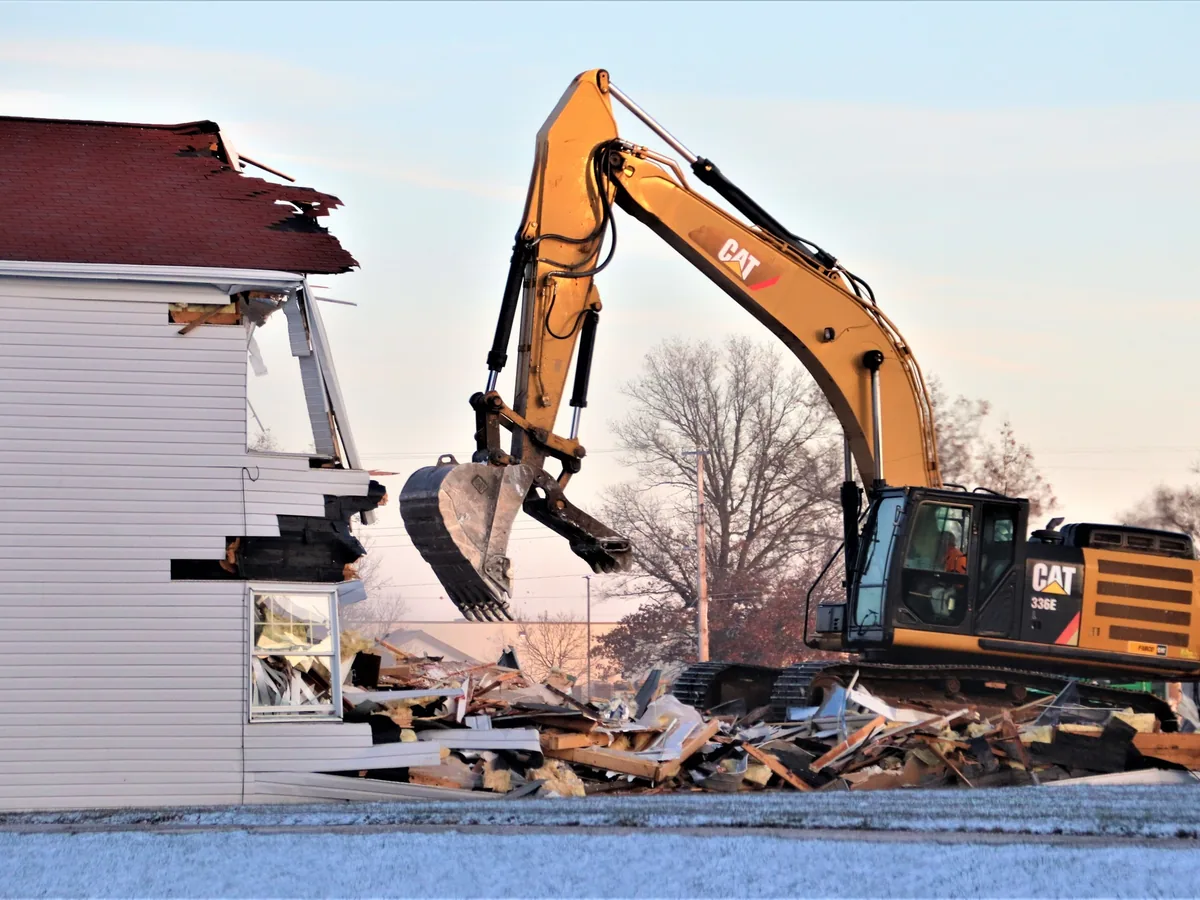
We knock down commercial and industrial buildings, warehouses and apartment buildings around Weymouth and Greater Boston. The debris leaves the site as part of the job.
Learn More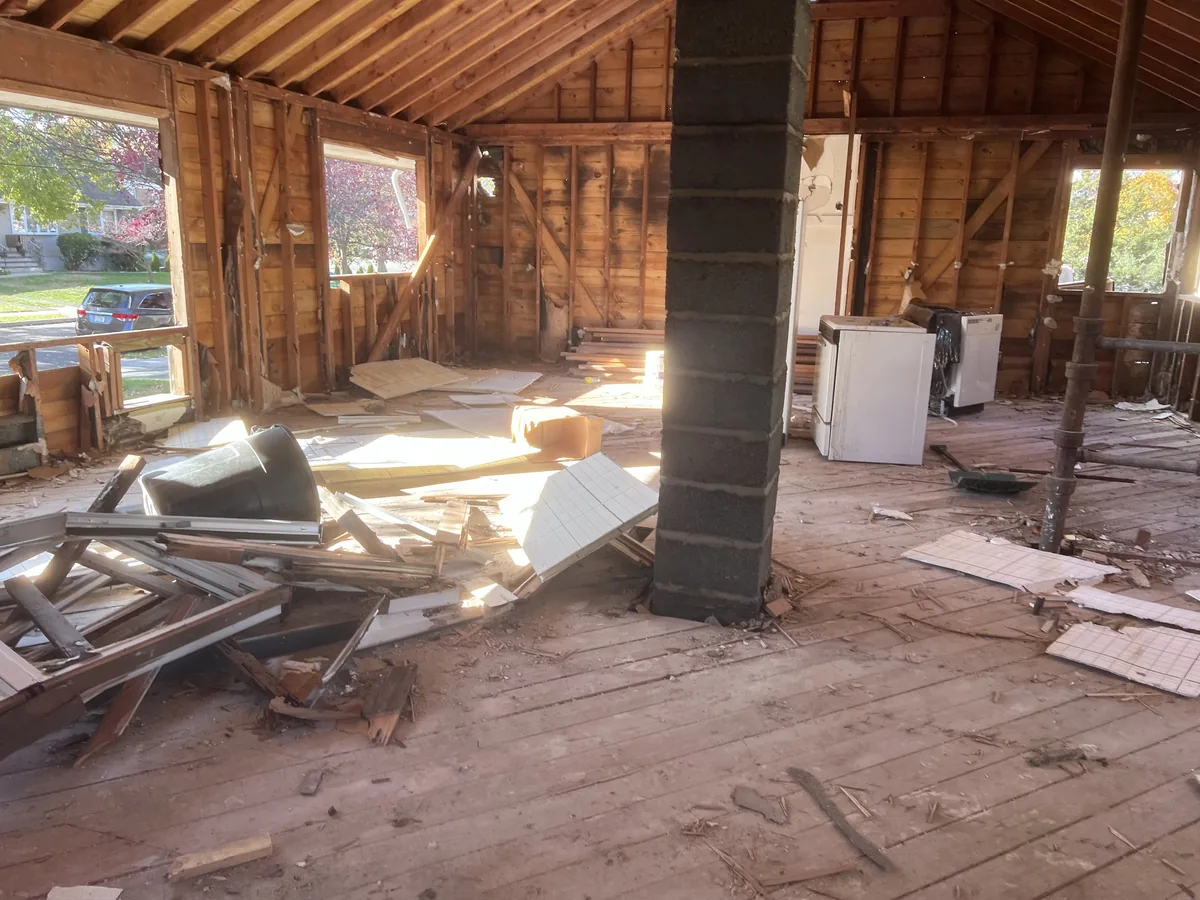
Interior demolition for houses and commercial spaces around Weymouth and Greater Boston. We handle gut-outs and selective demolition ahead of a renovation and carry the debris out.
Learn More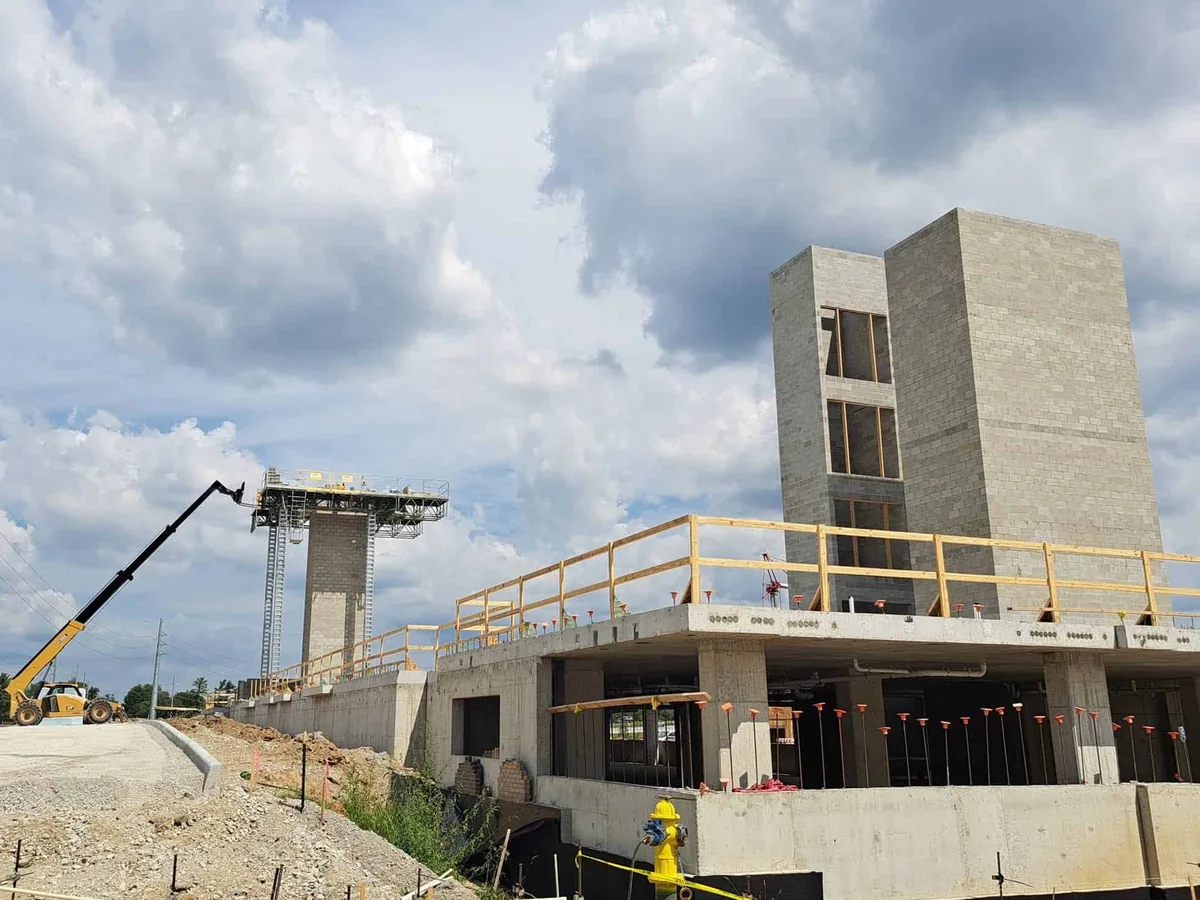
We lay concrete block (CMU) buildings and the elevator and stair shafts inside them. Brick and brick veneer go up on the same commercial jobs, priced in writing from the plans.
Learn More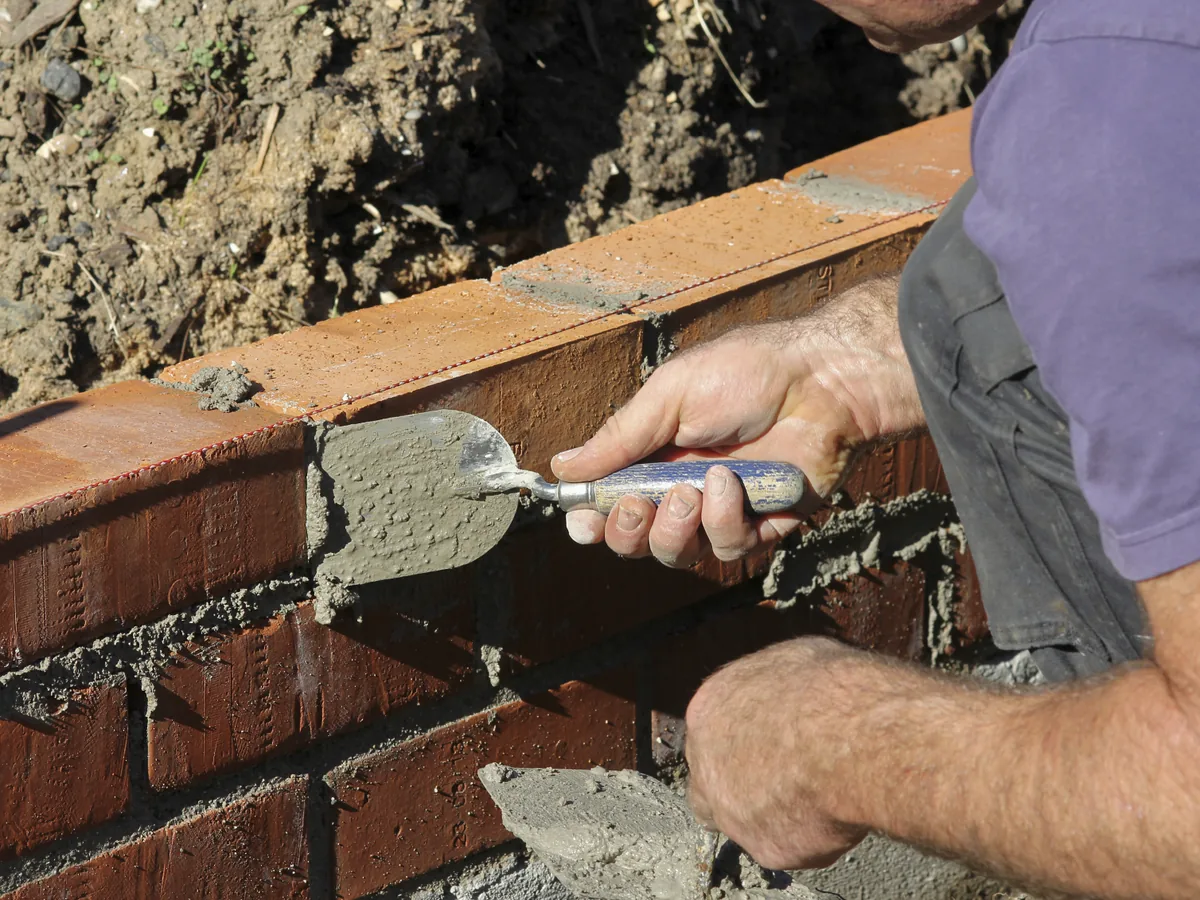
We lay new brick walls for homes and commercial buildings, both structural brick and brick on concrete block. Brick steps and landings come with the building work, and we put the quote in writing.
Learn More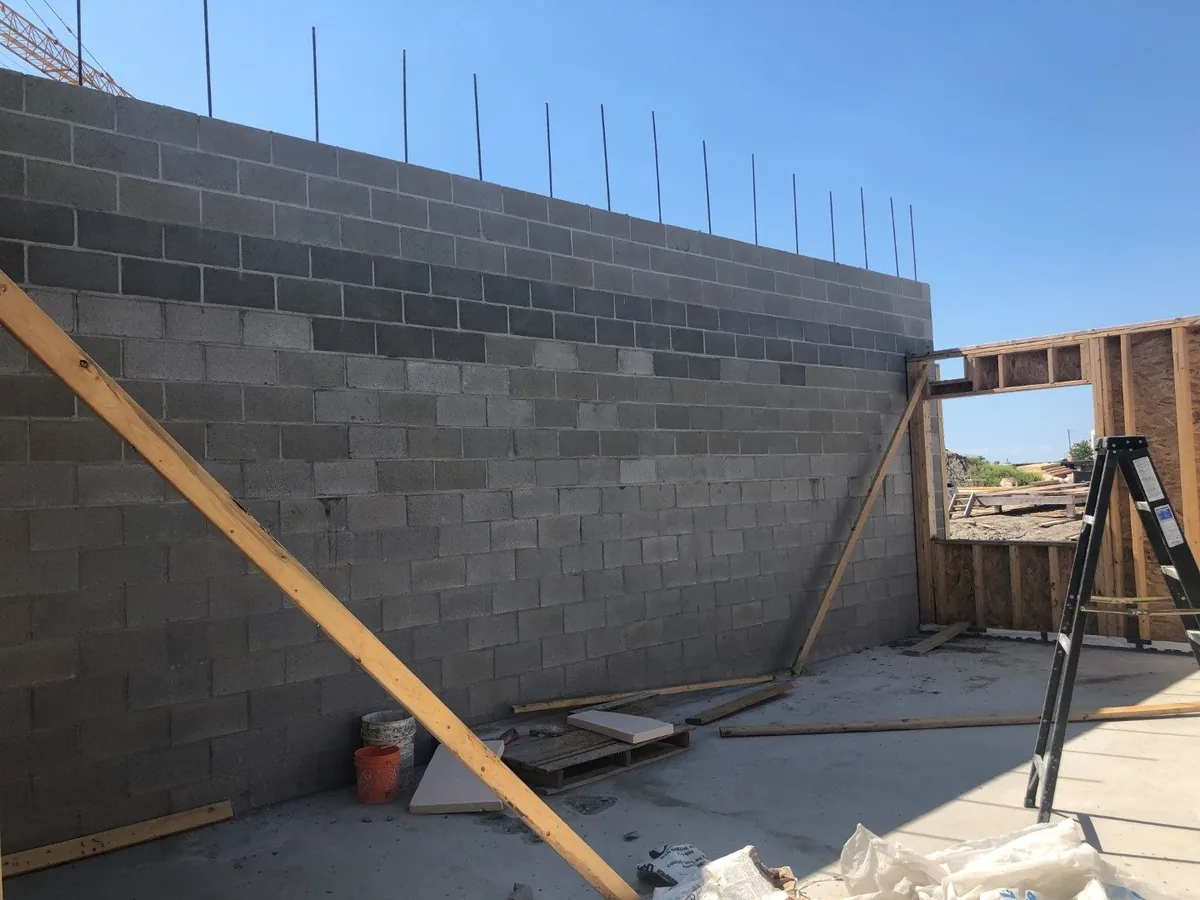
Concrete block (CMU) walls for commercial buildings and foundations, reinforced and grouted to the drawings. We pour the footings under the block walls we build, and we lay elevator and stair shafts in block.
Learn More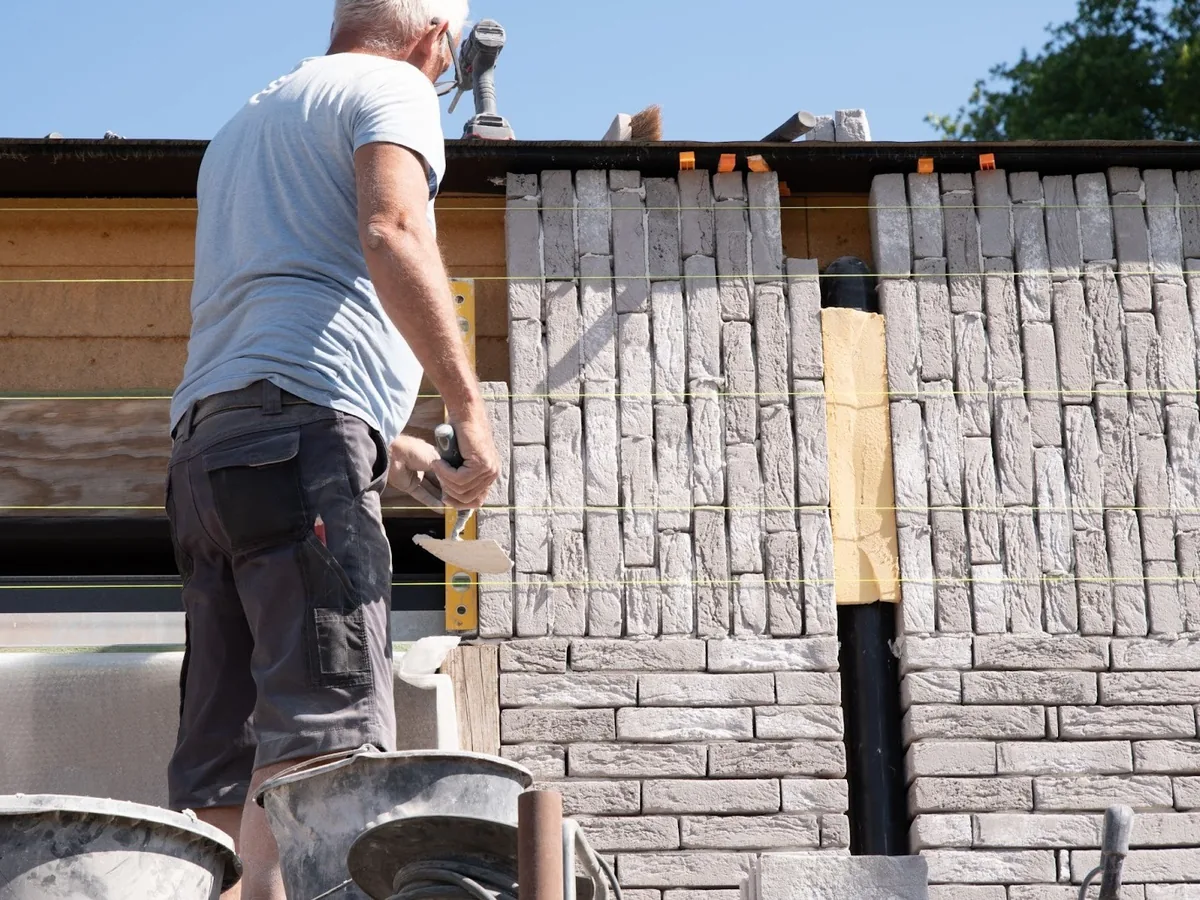
We lay brick veneer over wood-frame walls on homes and additions, and over concrete block (CMU) on commercial buildings. Metal ties hold it to the wall, and flashing and weep holes let water back out.
Learn More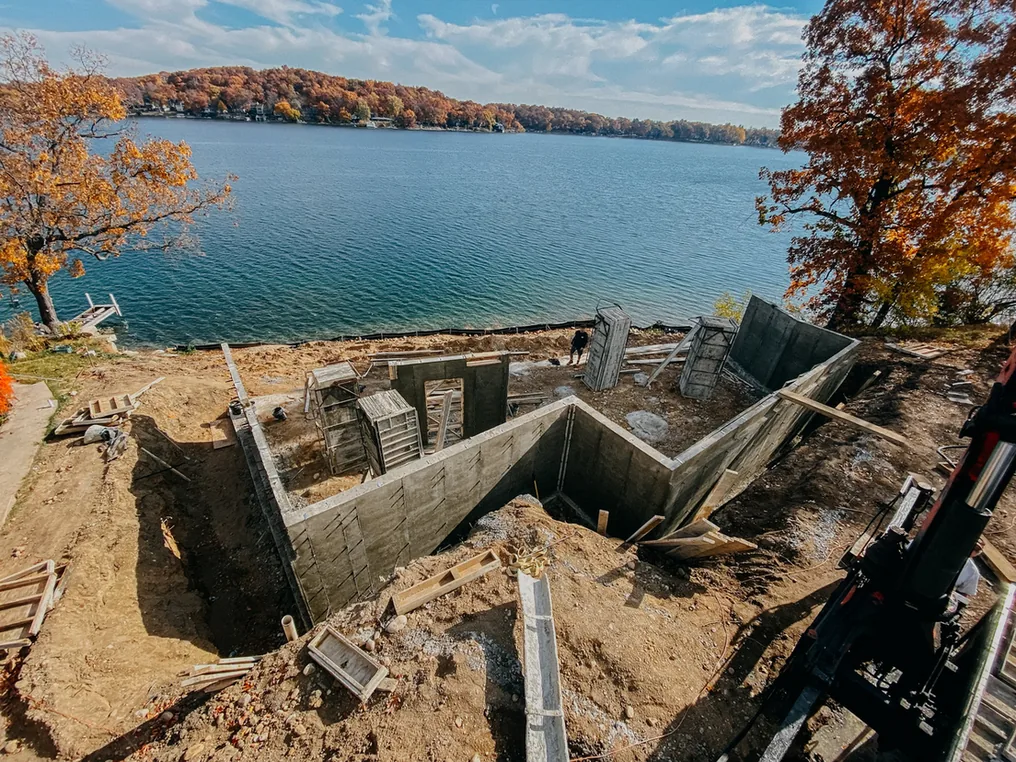
Footings, foundations, slabs, pads, steps and landings for homes and commercial buildings. We pour the concrete that goes with our masonry work.
Learn MoreA few of the questions we hear most around Boston. If yours is not here, call or text and ask.
Use the form to tell us about the work and the town it is in. You can also call or text (617) 838-0280 and send photos or plans.
Tell us about the demolition or masonry work and where it is. We look at the job and put the quote in writing.